



AI Summary: This article explains ten common problems encountered with hydraulic shearing machines, including uneven cuts, blade wear, hydraulic pressure loss, oil leakage, back gauge inaccuracy, excessive noise, slow cycle time, material slippage, overheating and electrical faults, along with practical solutions for each issue to keep a shearing machine running reliably.
A hydraulic shearing machine is widely used for cutting flat sheet metal into required sizes using a straight blade action powered by hydraulic pressure, offering a cleaner and more controlled cut compared to purely mechanical shearing methods. Despite their robust design, hydraulic shearing machine and CNC shearing machine setups can develop operational issues over time due to wear, improper maintenance or incorrect setup, which can affect cutting accuracy and overall productivity. Recognising these common problems early and applying the correct solution helps manufacturers avoid extended downtime and maintain consistent cutting quality across their production runs. Whether operating a guillotine hydraulic shearing machine or an NC guillotine hydraulic shearing machine, understanding the typical failure points of this equipment allows maintenance teams to respond quickly and effectively. This article covers ten common hydraulic shearing machine problems along with practical solutions that workshops can apply to keep their shearing operations running smoothly.
Uneven or Angled Cuts Across the Sheet Width in Hydraulic Shearing Machine
One of the most frequently reported issues with a hydraulic shearing machine is an uneven or angled cut where one side of the sheet separates cleanly while the other side shows a ragged or distorted edge. This problem usually occurs due to unequal blade clearance across the cutting length or uneven hydraulic pressure distribution between the two cylinders driving the blade beam. The solution involves checking and adjusting blade clearance uniformly along the entire cutting length, along with verifying that both hydraulic cylinders are synchronised to move at the same rate during the cutting stroke. Regular calibration of the shearing machine’s rake angle and blade alignment helps prevent this issue from recurring and ensures consistent cut quality across the full width of every sheet processed.
 Email Us Today!
Excessive Blade Wear and Frequent Sharpening Needs of Hydraulic Shearing Machine
Blades on a hydraulic shearing machine naturally wear over time, but excessive or premature wear often indicates that the machine is being used to cut material beyond its rated thickness or hardness capacity. Using incorrect blade clearance settings or cutting materials with inconsistent hardness can also accelerate blade edge degradation faster than normal operating conditions would suggest. The solution involves confirming that material specifications match the shearing machine’s rated capacity, adjusting blade clearance according to the manufacturer’s recommendations for the specific material being cut, and maintaining a regular blade sharpening schedule based on actual usage rather than a fixed calendar interval. Using quality blade material suited to the application also extends service life significantly between sharpening cycles.
Read Our Article
Hydraulic Shearing Machine and Electric Shearing Machine – OverviewLoss of Hydraulic Pressure During Cutting Operations
A noticeable drop in hydraulic pressure during the cutting stroke can cause incomplete cuts, slower cycle times or inconsistent shearing force across different jobs, and this problem often traces back to worn hydraulic pump components, internal leakage within cylinders or a clogged hydraulic filter restricting oil flow. Checking the hydraulic pump for wear, inspecting cylinder seals for internal bypass and replacing clogged filters typically resolves pressure related issues on a hydraulic shearing machine. It is also important to verify that the hydraulic oil viscosity matches the manufacturer’s recommendation, since incorrect oil grade can affect pressure generation, particularly in varying ambient temperature conditions. Establishing a routine hydraulic system inspection schedule helps catch pressure related problems before they escalate into more significant equipment failures.
Hydraulic Oil Leakage from Cylinders and Fittings
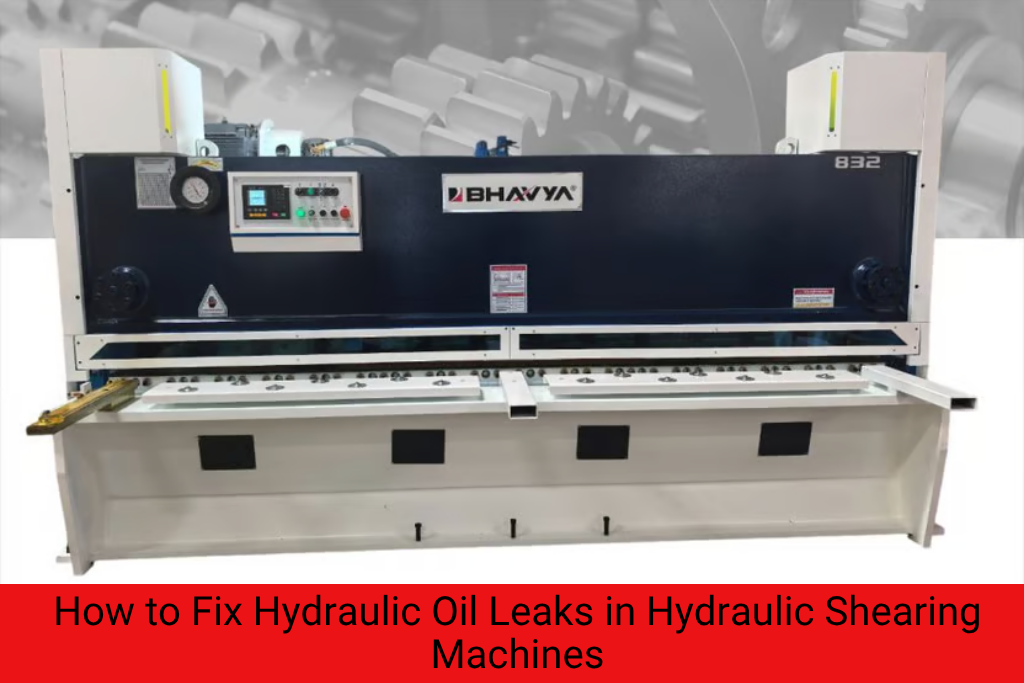
Oil leakage around hydraulic cylinders, hoses or fittings is a common issue on hydraulic shearing machine and guillotine hydraulic shearing machine setups, often caused by worn seals, loose fittings or damaged hose connections that develop over extended operating hours. Beyond creating a housekeeping and safety hazard, persistent oil leakage can eventually lead to reduced hydraulic pressure and inconsistent cutting performance if left unaddressed. The solution involves promptly replacing worn seals, tightening or replacing damaged fittings and inspecting hoses regularly for signs of cracking or wear that could develop into a more significant leak. Keeping a stock of common seal kits and fittings on hand allows maintenance teams to address minor leaks quickly before they affect overall machine performance.
Back Gauge Positioning Inaccuracy Affecting Sheet Size
An inaccurate back gauge on a shearing machine results in inconsistent sheet dimensions across a production batch, which can cause downstream fitting problems for parts that need to match specific size requirements. This issue often develops due to mechanical wear in the back gauge drive mechanism, loose sensor connections on CNC shearing machine models, or accumulated debris interfering with the positioning system’s movement. Solutions include cleaning and lubricating the back gauge drive components regularly, checking and recalibrating position sensors on NC guillotine hydraulic shearing machine setups, and verifying that the gauge fingers move freely without obstruction from accumulated metal dust or scrap. Periodic accuracy verification using a calibrated measuring tool helps confirm that the back gauge continues to meet required positioning tolerances over time.
Excessive Noise and Vibration During Hydraulic Shearing Operation
Unusual noise or vibration during shearing operations often signals loose mounting bolts, worn bearings, misaligned blade components or insufficient lubrication within moving parts of the hydraulic shearing machine. Ignoring these warning signs can lead to more significant mechanical damage over time, making it important to investigate unusual sounds as soon as they are noticed rather than continuing normal operation. The solution involves systematically checking and tightening all mounting bolts, inspecting bearings for wear and replacing them if necessary, and ensuring all moving components receive adequate lubrication according to the manufacturer’s maintenance schedule. Addressing noise and vibration issues promptly not only prevents further damage but also improves the overall safety and comfort of the operating environment for shearing machine operators.
Our Other Product
CNC Tool Resharpener MachineSlow Cutting Cycle Time Reduces Overall Hydraulic Shearing Productivity
A gradual slowdown in cutting cycle time on a hydraulic shearing machine can significantly affect daily production output, and this issue is often linked to declining hydraulic pump efficiency, air trapped within the hydraulic system or a control valve that is not fully opening during operation. Bleeding trapped air from the hydraulic circuit, inspecting and servicing the hydraulic pump, and checking control valve operation for full range of movement typically restores normal cycle speed on most shearing machines. It is also worth verifying that the electric motor driving the hydraulic pump is operating at its rated speed, since motor related issues can indirectly slow down the entire hydraulic system’s response time. Addressing cycle time issues promptly helps maintain expected production throughput on the shop floor.
Material Slippage During the Cutting Process
Material slippage while cutting can cause inaccurate cut lengths and inconsistent edge quality, and this problem is commonly caused by worn or dirty hold down clamps that fail to grip the sheet firmly during the shearing stroke. Ensuring hold down clamps are clean, properly adjusted and replaced when worn helps maintain firm material grip throughout the entire cutting cycle. It is also important to verify that hold down pressure settings are appropriate for the material thickness being processed, since insufficient clamping force allows the sheet to shift slightly as the blade engages. Regular inspection of clamp condition and pressure settings, combined with proper material positioning practices by operators, significantly reduces slippage related cutting problems on a shearing machine.
Read Our Article
Benefits of a Hydraulic Shearing MachineOverheating of Hydraulic Oil During Extended Operation
Hydraulic oil overheating during extended shearing machine operation can reduce lubrication effectiveness, accelerate seal wear and eventually affect overall hydraulic system performance if left unaddressed. This problem often results from insufficient cooling system capacity, a clogged oil cooler, low oil levels or the hydraulic system working harder than intended due to an underlying mechanical issue elsewhere in the machine. Solutions include cleaning or servicing the oil cooler regularly, maintaining hydraulic oil at the correct level according to manufacturer specifications, and investigating whether excessive load or friction elsewhere in the system is causing the hydraulic pump to work harder than necessary. Monitoring hydraulic oil temperature during operation and addressing overheating trends early helps extend both oil life and overall hydraulic component longevity.
Electrical Faults Affecting CNC Shearing Machine Controls
CNC shearing machine and NC guillotine hydraulic shearing machine models rely on electrical control systems to manage back gauge positioning, cutting sequences and safety interlocks, and faults within these systems can cause unpredictable machine behaviour or complete operational shutdown. Common causes include loose electrical connections, damaged sensor wiring, software glitches or component failure within the control panel that requires diagnostic troubleshooting to identify. Solutions involve systematically checking wiring connections, testing sensors for proper signal output, and consulting the machine’s electrical documentation to isolate the specific fault before replacing any components. Keeping control panel documentation accessible and training maintenance staff on basic electrical troubleshooting helps reduce downtime when electrical issues arise on CNC controlled shearing machines.
Conclusion
Hydraulic shearing machines are dependable workhorses for sheet metal cutting, but like any hydraulically powered equipment, they require regular inspection and maintenance to prevent common problems from affecting cutting accuracy and productivity. From blade wear and hydraulic pressure loss to back gauge inaccuracy and electrical faults, understanding the root cause of each issue allows maintenance teams to apply effective, lasting solutions. Bhavya Machine Tools manufactures a reliable range of shearing machines designed for consistent performance, and following proper maintenance practices helps manufacturers keep their hydraulic shearing machine running efficiently for years of dependable service.
Frequently Asked Questions
Hydraulic Shearing Machine Problems and Solutions
Why does a hydraulic shearing machine produce uneven cuts?
Uneven cuts usually result from unequal blade clearance or unsynchronised hydraulic cylinder
movement, both of which can be corrected through proper adjustment and calibration.
How often should shearing machine blades be sharpened?
Blade sharpening frequency depends on actual usage and material hardness rather than a fixed
schedule, so monitoring cut quality helps determine the right sharpening interval.
What causes hydraulic oil leakage in a shearing machine?
Oil leakage typically results from worn seals, loose fittings or damaged hoses that develop over
extended operating hours and should be inspected regularly.
Why is back gauge accuracy important on a shearing machine?
Back gauge accuracy determines the consistency of cut sheet dimensions, and any inaccuracy can
cause downstream fitting problems for parts requiring precise sizing.
Can electrical faults affect CNC shearing machine performance?
Yes, electrical faults in wiring, sensors or control panels can cause unpredictable behaviour, making regular electrical inspection an important part of shearing machine maintenance.