



AI Summary: Fiber laser cutting delivers tighter tolerances, a narrower kerf and cleaner edges on thin to mid-range sheet metal, while a plasma cutting machine remains the more economical choice for thick plate and mixed-material job shops. Kerf width on a fiber system typically runs 0.1–0.3 mm versus 1–3 mm on plasma. Operating cost per hour favors plasma at the low end, but the laser’s lower consumable use and higher throughput often even out total cost per part. Below 20 mm, laser wins on precision; beyond 25–30 mm, plasma is usually faster and cheaper. The right choice depends on part thickness, tolerance needs and production volume rather than either technology being universally “better.”
What Is the Actual Difference Between These Two Cutting Processes?
A fiber laser generates a focused beam of light through a solid-state fiber source, concentrating enormous energy onto a tiny spot. This melts or vaporizes the metal along the programmed path, with an assist gas (oxygen, nitrogen or air) blowing away the molten material.
A plasma cutting machine forces compressed gas through a narrow nozzle at high pressure while an electrical arc turns that gas into ionized plasma. This superheated jet melts the metal and blasts it out of the cut. The process is inherently less concentrated than a laser beam, which affects everything from cut quality to kerf.
How Does Cut Quality Compare?
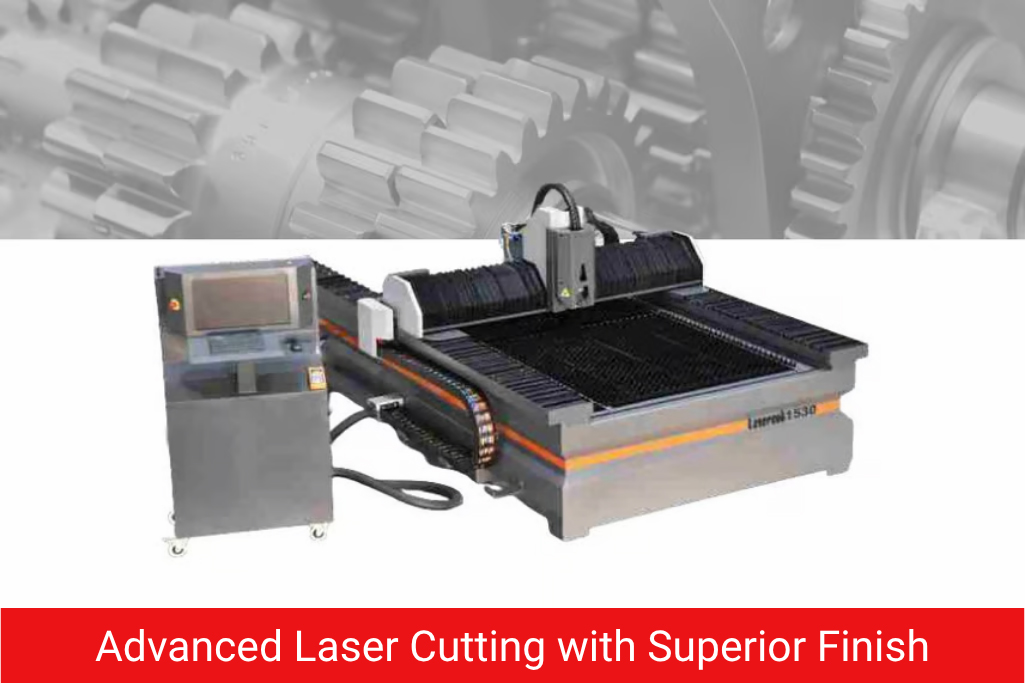
Fiber laser cutting machine produces smooth, near-vertical edges with minimal dross, often ready for welding or assembly without secondary finishing. Heat-affected zones are small because the beam moves fast and deposits energy in a tight footprint.
A plasma cutting machine produces a rougher edge with visible striations and a wider heat-affected zone, especially on thicker plate. Modern high-definition plasma units have narrowed this gap considerably, but they still don’t match the edge consistency of laser cutting on material under 12–15 mm. For parts that go straight to paint or assembly, this difference matters; for structural steel that gets ground or welded anyway, it often doesn’t.
 Email Us Today!
What Kerf Width Should Fabricators Expect?
Kerf – the width of material removed during the cut – directly affects nesting efficiency and part accuracy.
- Fiber laser cutter: kerf typically 0.1 mm to 0.3 mm, depending on thickness and power.
- Plasma system: kerf typically 1 mm to 3 mm, widening further as amperage and plate thickness increase.
A narrower kerf means tighter part nesting on a sheet, less material waste and better dimensional repeatability – a meaningful advantage for shops running high part counts on thin gauge material.
Which Materials Can Each Machine Handle?
Laser cutting handles mild steel, stainless steel, aluminum, brass and copper with high precision, though highly reflective metals like copper and brass require careful power tuning to avoid beam back-reflection issues.
Plasma cuts any electrically conductive metal – mild steel, stainless, aluminum and even some coated or painted plates – without needing the same reflectivity precautions. It’s also less sensitive to surface rust or mill scale, which can complicate laser cutting on neglected stock.
Read Our Article
Hydraulic Shearing Machine Problems and SolutionsHow Do Operating Costs Compare Over the Life of the Machine?
A plasma cutting machine generally has a lower upfront price and lower electricity draw per cut, making it attractive for shops with tight capital budgets. Consumables (electrodes, nozzles, shields) are inexpensive individually but wear faster under heavy use.
A fiber laser cutter uses far less assist gas per part on thin material, has no contact-based consumables to replace as frequently and cuts faster on gauges under 10–12 mm – which lowers labor and machine-hour cost per finished piece. Higher throughput on thin-to-mid sheet often offsets the higher initial investment within a few years for shops running consistent volume.
As plate gets thicker, laser cutting machine speed drops sharply and gas consumption rises, while plasma cutting speed stays comparatively steadier. Past roughly 25 mm, plasma usually becomes the cheaper option per part.
Fiber Laser or Plasma: Which Wins at Different Thicknesses?
| Thickness Range | Better Fit | Why |
| Up to 6 mm | Fiber laser cutting machine | Fastest speed, tightest tolerance, minimal edge finishing |
| 6–15 mm | Fiber laser (precision priority) or plasma (speed/cost priority) | Both are viable; decision depends on tolerance needs and budget |
| 15–25 mm | Plasma cutting machine generally more economical | Laser speed drops; plasma stays efficient |
| 25 mm and above | Plasma cutting machine | Laser struggles with speed and gas cost; plasma remains practical |
Our Other Product
Radial Dril MachinesHow to Decide Between a Fiber Laser Cutting Machine and a Plasma Cutting Machine?
- Map your typical material thickness range. Pull the last six months of job orders and note the gauge range you cut most often – this single data point drives most of the decision.
- Check your tolerance requirements. If parts need tight fit-up without secondary finishing, weight the decision toward laser cutting.
- Estimate your part volume. High-mix, high-volume thin-gauge work favors a laser cutting machine’s speed; low-volume thick-plate work favors plasma.
- Calculate consumable and gas costs for both processes at your actual material mix, not generic averages.
- Factor in floor space, power supply capacity and ventilation, since laser systems often need cleaner power and fume extraction suited to fine particulate.
- Get a cutting trial or sample parts from a machine supplier using your own drawings before committing.
- Compare total cost per part, not just cutting machine price, across a realistic 12-month production plan.
Fabrication Trends in India and the USA
In India, demand for fiber laser cutting machines has grown quickly among sheet metal job shops serving automotive ancillary, appliance and general engineering sectors, driven by rising quality expectations and export orders. Plasma cutting machines still dominate structural steel, shipbuilding-adjacent and heavy fabrication work where plate thickness and cost per part matter more than edge finish.
In the USA, many fabrication shops run both technologies side by side – a laser cutting machine for precision sheet work and a plasma cutter machine for structural and heavy-plate jobs – reflecting a mature market where buyers size equipment to specific job mixes rather than choosing one process for the entire shop. Steel tariffs and labor costs in the US market have also pushed shops toward automation and higher-throughput cutting to offset material and wage pressure, a trend mirrored in India’s growing adoption of CNC-driven laser systems.
Bhavya Machine Tools: A Trusted Name in Metal Cutting Solutions
Bhavya Machine Tools designs and supplies sheet metal processing equipment, including CNC cutting systems, for fabricators across India. The company works with manufacturers to match machine selection to real production needs – thickness range, material mix and throughput – rather than offering a one-size-fits-all recommendation. For fabricators weighing a fiber laser cutting machine against a plasma cutting machine, this kind of application-specific guidance, backed by hands-on cutting trials, often matters more than spec sheets alone.
Conclusion
Neither technology replaces the other outright. A fiber laser cutting machine earns its keep on thin-to-mid gauge precision work where edge quality and nesting efficiency drive profitability, while a plasma cutting machine remains the practical, cost-effective choice for thick plate and heavy fabrication. The smartest decision starts with an honest audit of your material mix, tolerance requirements and production volume – then matching the machine to the job, not the other way around.
FAQs
Fiber Laser Cutting Machine vs. Plasma Cutting Machine: A Practical Comparison for Metal Fabricators
Why a fiber laser cutting machine more accurate than plasma?
Yes, on material up to roughly 20 mm, laser cutting holds tighter tolerances and a smoother edge.
Why a plasma cutting machine cut stainless steel and aluminum?
Yes, plasma cuts most conductive metals, though edge quality on thin stainless is rougher than laser cutting.
Which machine has lower maintenance needs?
Fiber laser cutters generally need less frequent consumable replacement; plasma torches and nozzles wear faster under continuous use.
How does a laser cutting machine need more floor preparation than plasma?
Typically yes - laser systems are more sensitive to power quality, need dedicated fume extraction and often enclosed cutting chambers.
Can one justify owning both technologies?
Many fabricators do, using the laser machine for precision thin-gauge work and the plasma cutting machine for thick plate and structural cutting.