



AI Summary: A lock forming machine shapes sheet edges for assembly into a duct seam. Planning begins with the required joint and continues through blank dimensions, cutting, any required corner preparation, edge forming, seam closure and inspection. Fabricators should confirm the profile, material and machine capability for the specific job before starting production.
Lock Forming Machines in HVAC Duct Fabrication
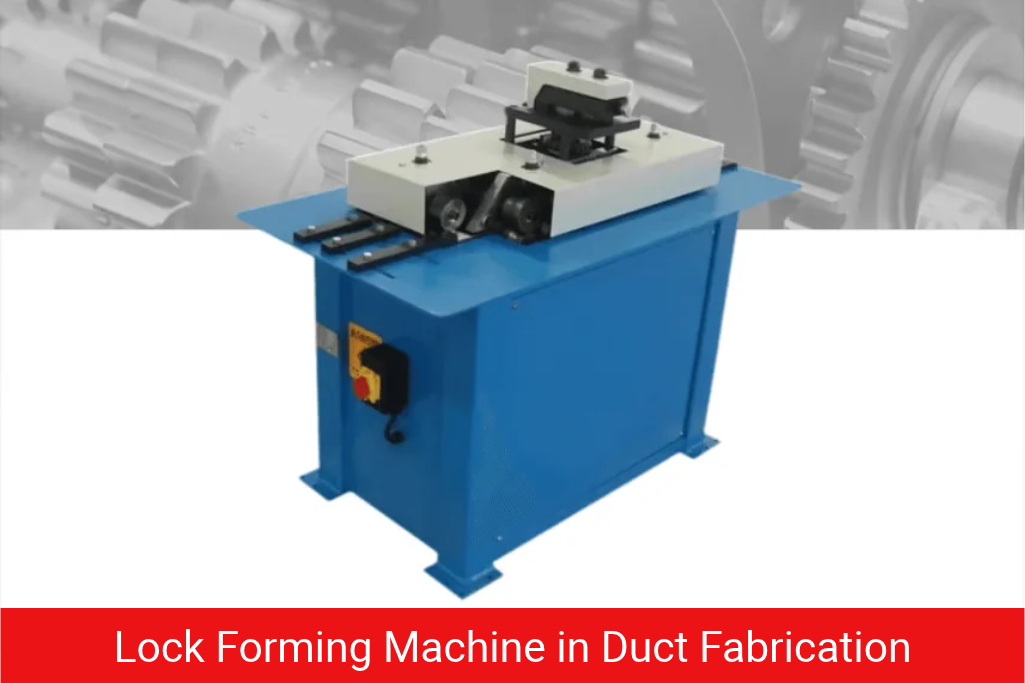
A duct lock forming machine is used to shape an edge profile that can later be assembled with a compatible mating edge. Its role is one part of HVAC duct fabrication, alongside blank preparation, assembly and inspection.
Planning sheet metal lock forming begins with the required joint and finished component dimensions. This article follows duct seam forming from the sheet blank through to inspection of the assembled seam, helping fabricators identify what needs to be checked at each stage.
Bhavya Machine Tools supplies sheet metal machinery used at several of these stages, and the sections below set out what to document before approaching a supplier.
Reviewing the Duct Seam Profile Before Lock Forming
Start by confirming which duct component the sheet is intended for and where the seam sits on that component. The joint location often determines which profile is appropriate.
Record the profile required and the identity of the mating edge it must match, along with the sheet material and thickness. These details affect how the profile can be formed.
This record is also useful to have ready when raising an enquiry with Bhavya Machine Tools, since it describes the joint rather than any single machine.
 Email!
Planning Sheet Blank Dimensions for Lock Forming Machine Work
The sheet blank needs enough material not just for the finished duct component but also for the edges that will later be formed into the seam. Underestimating this can leave a joint short of material.
Show how the finished component dimensions and the approved edge allowances relate to the blank you start with. The allowance itself is not a fixed figure; it depends on the profile, the material and the equipment used, so always check it against the approved drawing rather than assuming a standard value.
If an allowance has not yet been confirmed, check it against the approved joint details and the equipment supplier’s specifications before cutting.
Sequencing Cutting, Notching and Sheet Metal Lock Forming
Once the blank size is set, plan the order of preparation steps. Cutting the sheet to the planned dimensions usually comes first.
Whether corner preparation or notching is needed depends on the component and the drawing, not on a fixed rule, so identify this requirement before forming rather than treating it as universal.
Plan edge forming after the required cutting and any corner preparation. Confirm the operation sequence against the component drawing and the equipment used for the job, and share that sequence if an enquiry is later raised with Bhavya Machine Tools.
Preparing Mating Edges for Duct Seam Forming
Once an edge profile has been formed, check whether the correct components and their corresponding edges have been prepared for assembly. The two mating edges work together, so neither should be reviewed in isolation.
Check that both edges correspond to what the drawing specifies for that joint. A mismatch here is easier to correct before assembly than after.
Review the alignment and visible condition of each edge, and keep duct components identified through this stage so the correct edges are brought together at assembly.
Lock Forming Machine Role Versus Seam Closing in Duct Fabrication
Forming a profile on a sheet edge and closing the assembled seam are two different operations, even though they are part of the same overall joint. Profile forming shapes the required sheet edges; seam closing joins the prepared edges together.
Identify the closing method specified for the particular joint, and confirm which equipment in the workshop actually performs that step rather than assuming one machine covers both.
This distinction is a sensible first question to raise when contacting Bhavya Machine Tools about equipment for a specific job.
Our Other Product
Plate Rolling MachinesInspecting the Assembled Duct Seam
After assembly, inspect the seam for visible continuity and alignment. Record gaps, incomplete closure, misalignment or damage against the acceptance requirements in the job documentation.
Where an inspection issue appears linked to equipment performance rather than handling, that record is useful context to bring to Bhavya Machine Tools.
Planning Equipment Requirements for a Lock Forming Machine
When approaching a supplier about forming equipment, it helps to have certain details ready. Note the sheet material and thickness the workshop typically works with, along with the seam profiles the jobs require.
List expected component sizes and production quantities, and describe the cutting, forming and seam closing arrangements already in place in the workshop. Available floor space also affects which equipment fits.
Bringing drawings or representative components to the discussion helps a supplier understand the requirement more clearly. Ask the equipment supplier to confirm supported profiles, material capacity, included accessories and whether seam closing requires separate equipment.
Bhavya Machine Tools for HVAC Duct Fabrication Machinery
Bhavya Machine Tools supplies machine tools and sheet metal fabrication machinery, with its headquarters in Ahmedabad and branches in the UAE and the USA. Its range includes shearing and cutting machines, which support the sheet cutting stage described earlier in this article. Buyers can discuss material, component dimensions and equipment requirements for their specific fabrication work directly with the company.
Planning the seam profile, blank dimensions, mating edges and assembly sequence in that order gives a duct fabrication workflow a clearer structure from start to finish. Each stage depends on decisions made in the one before it. For sheet metal machinery requirements related to any part of this sequence, it is worth discussing the specific job with Bhavya Machine Tools.
Lock Forming Machine and Duct Seam Forming FAQs
Where does a lock forming machine fit in HVAC duct fabrication?
It is used at the edge forming stage, after the required cutting and any corner preparation, to create the profile that will later be brought together with a mating edge during assembly. This sequence is useful to confirm as part of any enquiry with Bhavya Machine Tools.
What is the difference between forming a lock profile and closing a duct seam?
Forming a profile shapes the required sheet edges. Closing the seam is a later assembly step where the prepared edges are joined together, and it is worth confirming with Bhavya Machine Tools which operation a given machine actually performs.
How do seam requirements affect blank dimensions?
The profile selected for the seam determines how much extra material the blank needs at its edges. Confirming the profile first, before cutting, helps avoid a blank that falls short once forming begins, and this is a useful detail to have ready when discussing machinery requirements with Bhavya Machine Tools.
What should be checked on mating edges before assembly?
Both edges should be checked against the drawing for that joint, including alignment and visible condition, with components kept identified so the correct edges are brought together. This check is a reasonable detail to mention when discussing equipment requirements with Bhavya Machine Tools.
What information should be included in a lock forming machine enquiry?
Include the sheet material and thickness, required seam profiles, expected component sizes and quantities, and details of existing workshop equipment. When contacting Bhavya Machine Tools, ask which machines and configurations are available for the job.