



AI Summary: A milling machine, whether conventional or CNC, is best suited for simpler operations, smaller batches and applications needing direct operator control, while a CNC machining centre is built for automated, multi operation machining with automatic tool changing. Selection depends on production volume, component complexity, number of operations per part, required accuracy, repeatability, cycle time targets, automation needs, operator involvement and available investment. Bhavya Machine Tools supplies both machine types to match actual production requirements.
Milling Machine vs Machining Centre: Introduction for Industrial Buyers
Choosing between a milling machine and a machining centre is one of the most important production decisions an industrial buyer can make, since it affects cycle time, accuracy, tooling cost and long term output. This article compares both machine types across control, automation, production volume, accuracy, tooling and investment, helping manufacturers, engineering companies and machine shops identify the configuration best suited to their components. Bhavya Machine Tools supplies both milling machines and CNC machining centres and works with buyers to match machine selection to actual application requirements.
Milling Machine vs Machining Centre: What Is the Difference?
The core difference lies in automation and operation count. A milling machine, manual or CNC controlled, generally performs one or a limited number of operations per setup, often requiring the operator to change tools or reposition the workpiece between steps. A machining centre completes multiple operations such as milling, drilling, tapping and boring within a single setup, using an automatic tool changer and CNC control to sequence operations with minimal intervention.
Key distinctions:
- Milling machine: operator dependent, fewer operations per setup, manual tool change
- CNC machining centre: programmed operation, automatic tool changer, multiple operations per setup
- Vertical and horizontal milling machines: capable for straightforward material removal and low volume work
- Vertical and horizontal machining centres: suited to components needing several accurate operations per run
Why this matters for buyers: This distinction affects production time, labour dependency, repeatability and component consistency. A machining centre becomes commercially relevant once a component requires several operations completed accurately and repeatedly across a production run.
As a milling machine manufacturer and CNC machining centre manufacturer, Bhavya Machine Tools helps buyers first identify the actual machining requirement, component complexity and production target before recommending a specific machine, since the right choice depends on the application rather than the machine category alone.
 Email Us Today!
Conventional Milling Machine vs CNC Machining Centre
A conventional milling machine is manually operated, with the operator controlling table movement, spindle speed and cutting depth using handwheels or basic controls. A CNC machining centre uses computer numerical control to automatically drive multiple axes, change tools and execute a stored program with repeatable accuracy.
|
Factor |
Conventional Milling Machine |
CNC Machining Centre |
|
Control |
Manual, operator dependent |
CNC programmed, automated |
|
Operations per setup |
Usually one or few |
Multiple in one setup |
|
Tool changing |
Manual |
Automatic tool changer |
|
Repeatability |
Depends on operator skill |
High and consistent |
|
Best suited for |
Tool room, repair, low volume |
Medium to high volume, complex parts |
|
Operator involvement |
Continuous |
Primarily monitoring and loading |
A conventional milling machine remains a sound investment for maintenance departments, tool rooms and workshops performing occasional milling work where flexibility matters more than automated cycle time. A CNC machining centre suits manufacturers needing consistent output across large batches without depending on operator skill for every cycle.
Bhavya Machine Tools guides buyers through this comparison based on actual shop floor conditions, including available manpower, skill level and expected batch sizes, so the recommended machine matches daily production reality.
Read Our Article
NC Press Brake vs CNC Press Brake: Top 10 DifferencesVertical Milling Machine vs Vertical Machining Centre
A vertical milling machine positions the spindle vertically above the table, suited to face milling, slotting, drilling and general machining where the operator needs clear visibility of the cutting area. A vertical machining centre uses the same vertical orientation but adds CNC control, automatic tool changing and programmed multi axis movement, completing several operations without repositioning the workpiece.
Where vertical configurations work best:
- Flat, plate type or block shaped components
- Machining concentrated on the top face
- Setups where operators need to observe cutting action directly
- Components with several top face features requiring multiple tools
Table capacity, workpiece clamping and the number of features per component determine whether a vertical milling machine is sufficient or whether a vertical machining centre is needed to handle multiple milling, drilling and tapping operations efficiently.
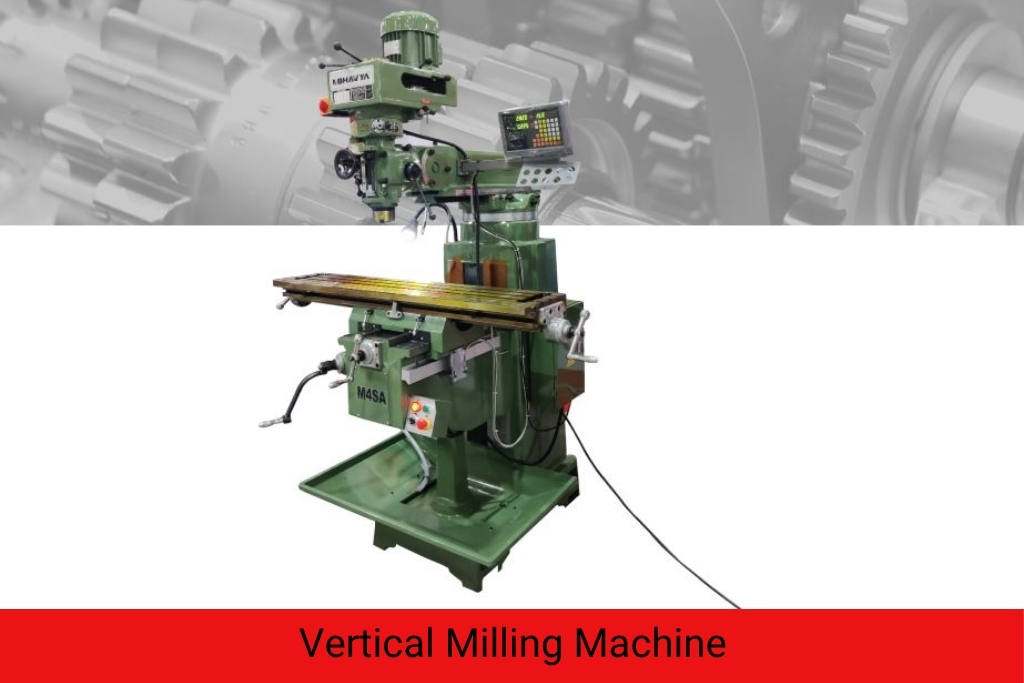
Bhavya Machine Tools offers vertical milling machine and vertical machining centre options sized according to table dimensions, spindle travel and workpiece height, helping buyers select a configuration matched to component geometry and the number of top face operations required.
Horizontal Milling Machine vs Horizontal Machining Centre
A horizontal milling machine holds the spindle horizontally, benefiting heavier stock removal, side milling and components that need machining from multiple faces without repeated repositioning. A horizontal machining centre extends this configuration with automatic tool changing and programmed multi face machining, suited to box shaped or multi sided components produced in medium to high volumes.
Practical advantages of horizontal configurations:
- Gravity assisted chip evacuation away from the cutting zone
- Support for longer unattended running
- Reduced risk of chip recutting on demanding materials
- Access to several component faces using rotary tables or indexing fixtures
- Fewer separate setups needed for complex, multi face parts
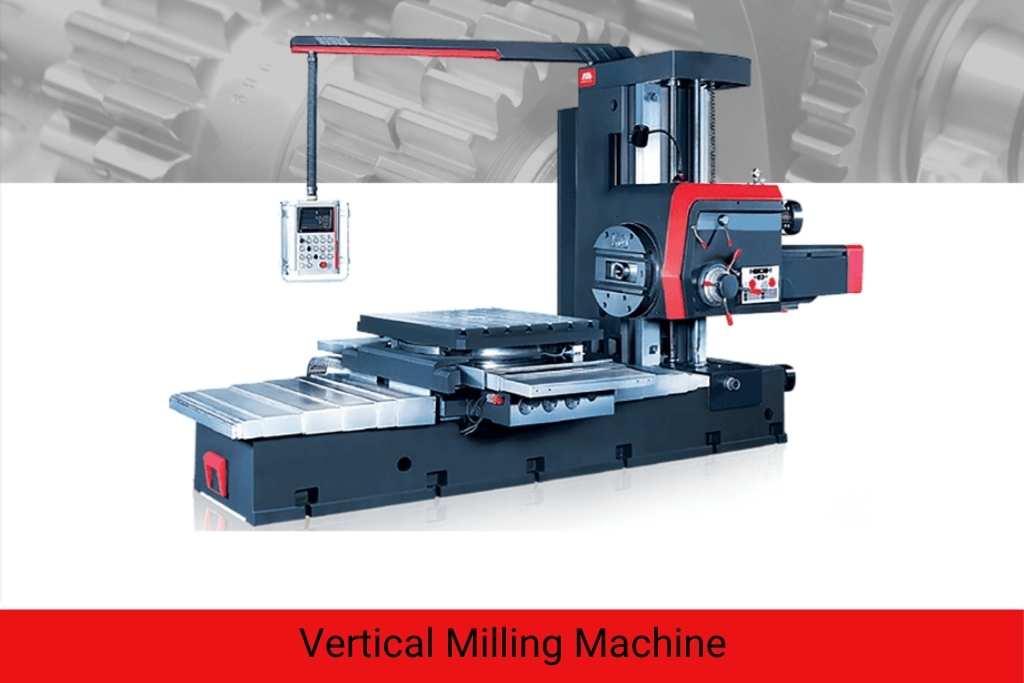
Bhavya Machine Tools supplies horizontal milling machine and horizontal machining centre models suited to multi face component production, and works with buyers to assess component orientation, fixture requirements and expected production volume before recommending a configuration for automotive, engineering or industrial equipment manufacturing.
Our Other Product
Slotting MachinesCNC Machining Centre: Automatic Tool Change and Multi Operation Machining
An automatic tool changer is one of the most significant capabilities separating a CNC machining centre from a standard milling machine. Instead of manually removing and inserting tools between operations, the machining centre selects and loads the required tool directly from a tool magazine, following the programmed sequence.
Benefits of automatic tool changing:
- A single component can undergo milling, drilling, tapping and boring in one setup
- Reduces non machining time between operations
- Minimises repositioning errors across a production batch
- Improves consistency from the first component to the last
What buyers should evaluate:
- Tool capacity, meaning the number of stations in the tool magazine
- Tool change time
- Spindle taper compatibility
- CNC controller capability against the number of programmed operations
Bhavya Machine Tools helps buyers match machining centre tool capacity and automatic tool changer specifications to the actual number of operations and tool types their components require, avoiding both under specification and unnecessary overinvestment.
Milling Machine vs Machining Centre for Production Volume and Cycle Time
A milling machine suits lower volume and smaller batch production, while a machining centre becomes more economical as production volume, batch quantity and repeat orders increase.
The complete production cycle to consider, not machining time alone:
- Workpiece loading and workholding
- Tool changes between operations
- Actual machining time
- Setup changes for different operations
- In process or post process inspection
- Component unloading
A milling machine often has longer non machining time per component since tool changes and repositioning depend on the operator, while a machining centre reduces this through automatic tool changing and programmed sequencing. For very small batch quantities or one off components, the programming and setup time for a machining centre may not offer a meaningful advantage over a milling machine.
Bhavya Machine Tools assists buyers in estimating realistic cycle times by reviewing expected batch quantity, number of operations per component and setup frequency, helping manufacturers decide which machine will deliver better production economics for their specific volume.
Machining Accuracy, Repeatability and Surface Finish Comparison
A CNC machining centre generally delivers higher repeatability across a production run because programmed positioning removes variation caused by manual handwheel operation, while a well maintained milling machine can still achieve good individual part accuracy in skilled hands.
Factors influencing accuracy and finish:
- Machine rigidity
- Spindle quality
- Axis positioning accuracy
- Consistency of feed rates and tool paths across a batch
Repeatability matters most for production runs where every component must meet the same tolerance without operator dependent variation. Buyers should specify required tolerance, repeatability expectations and surface finish requirements clearly before machine selection, since these factors determine whether a conventional milling machine, CNC milling machine or CNC machining centre for precision components is appropriate.
Bhavya Machine Tools reviews component drawings and tolerance requirements with buyers to recommend machine configurations, spindle specifications and control systems capable of consistently meeting the stated accuracy and surface finish targets.
Read Our Article
Laser Machines Types & ApplicationsMilling Machine Applications in Automotive and General Engineering
A milling machine, including a CNC milling machine for engineering workshop use, remains practical across several application areas even as machining centres handle high volume production.
Common milling machine applications:
- Prototype development
- Tool room work
- Jig and fixture making
- Maintenance and repair machining
- Smaller batch production where operations per part are limited
General engineering companies often rely on milling machines for one off components, spare parts and modification work where flexibility matters more than automated cycle time. Automotive component manufacturers may use milling machines for tooling support and fixture manufacturing, reserving machining centres for high volume production parts.
Bhavya Machine Tools supplies milling machines suited to workshop, tool room and maintenance applications, and helps buyers in automotive and general engineering sectors identify where a milling machine remains the practical choice based on batch size and component simplicity.
CNC Machining Centre Applications for Complex Industrial Components
A CNC machining centre becomes the suitable choice when components require multiple machining operations, tight tolerances, complex geometry or medium to high production volumes.
Industries relying on machining centres:
- Automotive component manufacturing
- Die and mould production
- Industrial equipment manufacturing
- General precision component machining
Complex components with multiple faces, features or hole patterns benefit from a machining centre’s ability to complete several operations in one setup, reducing cumulative positioning error that can occur when a part is repeatedly removed and repositioned on a milling machine. This makes a CNC machining centre for automotive components or for precision components valuable where dimensional consistency across thousands of parts is required.
Bhavya Machine Tools works with automotive, die and mould, and industrial equipment manufacturers to specify machining centre configurations, including table size, axis travel, spindle power and tool capacity, based on actual component drawings and the number of operations required.
Milling Machine and Machining Centre Tooling Requirements
Tooling requirements differ meaningfully between the two machine types. A milling machine typically uses a limited set of cutters and tool holders that the operator changes manually, while a machining centre requires a defined tool set matched to its automatic tool changer and tool magazine capacity.
Points to assess before finalising tooling:
- Spindle taper compatibility
- Tool holder type
- Cutter selection for required operations
- Tool capacity against the number of distinct operations per component
Under specifying tool capacity on a machining centre can force manual tool changes mid cycle, reducing the automation benefit, while over specifying tooling for simple components adds unnecessary cost.
Bhavya Machine Tools advises buyers on spindle taper selection, tool holder compatibility and appropriate tool magazine capacity based on the actual cutters, drills and taps required for their component range.
Our Other Product
Milling MachinesMilling Machine Price vs Machining Centre Investment
A CNC machining centre generally involves a higher initial investment than a conventional or CNC milling machine, given its automatic tool changer, additional axes and advanced CNC controller. The correct comparison should not rest on purchase price alone.
Factors to weigh alongside investment:
- Production output and expected throughput
- Operator involvement and labour dependency
- Tool change time saved through automation
- Reduction in setup time across multiple operations
- Overall machine utilisation across shifts
- Component complexity and number of operations
- Production consistency and rejection rates
- Long term production requirements and order volumes
A machining centre that reduces cycle time and operator dependency across a high volume run can offer better long term economics than its higher upfront cost suggests, while a milling machine may remain the sensible investment for lower volume or variable job work.
Bhavya Machine Tools helps buyers select the correct machine configuration first, based on component and production requirements, before comparing detailed quotations.
CNC Machining Centre Automation and Productivity Benefits
Automation on a CNC machining centre reduces manual intervention at nearly every stage of the machining cycle, from tool selection to operation sequencing. This supports production consistency, since programmed operations do not vary with operator fatigue or skill level.
Productivity benefits beyond cycle time:
- A single operator can oversee multiple machines
- More time available for quality checks and loading
- Reduced scrap and rework through consistent programmed cycles
- Improved overall efficiency across a shift or production run
Bhavya Machine Tools helps manufacturers evaluate where automation delivers genuine productivity gains, considering existing manpower, shift patterns and production targets, so a CNC machining centre investment translates into measurable efficiency improvement.
How to Choose Between a Milling Machine and Machining Centre
The right choice depends on component geometry, number of machining operations, production quantity, required accuracy, tooling requirements, available operators, cycle time targets and future production plans. Neither machine type is universally better.
Questions to answer before selecting a machine:
- What component types and dimensions will be machined
- How many operations are required per component
- What production volume and batch quantity is expected
- What dimensional accuracy and repeatability are required
- What surface finish is needed
- How frequently setups will change
- Whether automatic tool changing is required
- What table size, axis travel and workpiece weight apply
- What operator skill and availability exist
- What automation level suits current and future production
- What future production requirements are anticipated
Bhavya Machine Tools encourages buyers to share component drawings, workpiece material, dimensions, required machining operations, tolerances, surface finish requirements, batch quantity, expected production volume and tooling requirements, allowing the recommended machine to be matched precisely to the stated application.
Milling Machine vs Machining Centre: Final Buying Summary
Milling machines and machining centres each serve a distinct place in industrial production, and the right choice depends on component complexity, operation count, production volume, accuracy needs and available automation rather than one machine being universally superior. Buyers who assess their actual requirements against these factors can select equipment that improves cycle time, consistency and long term production economics. Bhavya Machine Tools supports this decision by matching component drawings, tolerances and production targets to the appropriate milling machine or CNC machining centre configuration.
Milling Machine vs Machining Centre: Buyer FAQs
Milling Machine vs Machining Centre: Buyer FAQs
What is the main difference between a milling machine and a machining centre?
<span style="font-weight: 400;">A milling machine performs one or few operations per setup with greater operator involvement, while a machining centre uses CNC control and automatic tool changing to complete multiple operations in a single setup with higher repeatability.</span>
Should I buy a CNC milling machine or a machining centre?
<span style="font-weight: 400;">A CNC milling machine can be suitable for simpler machining requirements, smaller batches and applications where fewer operations are required, while a machining centre may be more suitable where automatic tool changing, multiple machining operations, reduced setup time and higher production efficiency are important.</span>
How many operations can a CNC machining centre complete in one setup?
<span style="font-weight: 400;">A CNC machining centre can complete multiple operations such as milling, drilling, tapping and boring in a single setup, limited mainly by tool magazine capacity and programmed sequencing rather than manual tool changes.</span>
Which is more accurate, a milling machine or a machining centre?
<span style="font-weight: 400;">A CNC machining centre generally provides higher repeatability across a production run due to programmed positioning, while a well operated milling machine can still achieve good individual part accuracy for lower volume work.</span>
How much production volume justifies a CNC machining centre?
<span style="font-weight: 400;">Machining centres become more economical as batch quantity and repeat orders increase, since automatic tool changing and reduced setup time offset the higher initial investment across larger production runs.</span>
Where is a vertical machining centre more suitable than a horizontal machining centre?
<span style="font-weight: 400;">A vertical machining centre suits flat, plate type or block shaped components with top face operations, while a horizontal machining centre suits multi sided or box shaped components requiring access from several faces.</span>
Who typically uses a conventional milling machine instead of a CNC machining centre?
<span style="font-weight: 400;">Tool rooms, maintenance departments, workshops and manufacturers producing prototypes or smaller batches often use conventional or CNC milling machines where flexibility and direct control are more important than full automation.</span>
What should I check before selecting a milling machine manufacturer or CNC machining centre manufacturer?
<span style="font-weight: 400;">Buyers should verify machine specifications such as table size, axis travel, spindle power, tool capacity, automatic tool changer availability and CNC controller type, and match these against actual component and production requirements.</span>
How does tooling capacity affect machining centre selection?
<span style="font-weight: 400;">Tool capacity should match the number of distinct operations and tool types a component requires, since insufficient capacity can force manual tool changes that reduce the automation benefit of the machining centre.</span>
Which industries commonly use CNC machining centres for precision components?
<span style="font-weight: 400;">Automotive component manufacturing, die and mould production, industrial equipment manufacturing and general precision component machining commonly rely on CNC machining centres for consistent, repeatable output.</span>
How does automation on a machining centre affect production consistency?
<span style="font-weight: 400;">Programmed operations on a machining centre do not vary with operator skill or fatigue, which supports consistent dimensional accuracy and surface finish across an entire production batch.</span>
What information should I provide to get the right machine recommendation?
<span style="font-weight: 400;">Sharing component drawings, workpiece material and dimensions, required machining operations, tolerances, surface finish requirements, batch quantity, expected production volume and tooling requirements allows Bhavya Machine Tools to recommend a suitable milling machine or CNC machining centre.</span>