



Fiber Laser Cutting Machine: Understanding the Physics Behind the Beam and Its Impact on Cut Quality
In recent years, fiber laser cutting technology has revolutionized the manufacturing and fabrication industries. A fiber laser cutting machine is known for its precision, speed and versatility when it comes to processing metals, plastics and other materials. But what exactly makes this technology so effective and how does it achieve such remarkable cut quality? To answer these questions, it’s essential to explore the physics behind fiber laser cutting, as well as how various factors affect the final cut quality, especially when working with metal.
Fiber laser cutting is a highly sophisticated process that relies on the interaction between a focused laser beam and the material being cut. Understanding the properties of the laser beam and how it interacts with the material is key to grasping how this cutting technique works. From the composition of the laser source to its wavelength and focusing, each aspect plays a vital role in determining the efficiency and precision of the cut. Here, we will delve into the technical aspects of fiber laser cutting, explaining the physics behind the beam and exploring why it matters for cut quality.
The basic physics behind the laser cutting process revolves around the principle of intense heat generation. When the focused laser beam strikes the material, it rapidly heats up the targeted area. This intense heat causes the material to melt, burn or vaporize, depending on the properties of the material and the intensity of the beam. The laser beam is constantly moved across the surface of the material, following a pre-programmed cutting path. As the material is exposed to the focused heat, a clean cut is created.
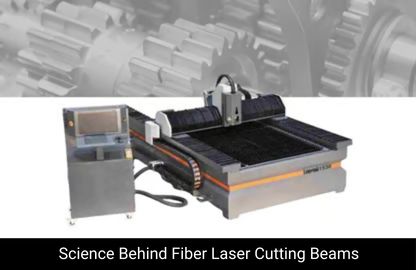
Fiber Laser Cutting: The Science Behind the Laser Beam
At its core, fiber laser cutting involves a highly concentrated beam of light emitted from a fiber laser. The laser is produced by exciting a laser medium – typically a rare-earth element like ytterbium – which is incorporated into an optical fiber. This laser light is then directed into the cutting head and focused onto the material’s surface.
One of the key advantages of fiber laser cutting compared to traditional methods is the high energy efficiency of the laser. Fiber lasers produce light through optical fibers, which allows them to transmit a high-powered beam with minimal loss of energy. The precise wavelength of the fiber laser-typically in the infrared spectrum-also allows it to interact more effectively with metals like stainless steel, aluminum and titanium, making it ideal for applications involving metal cutting.
The focused beam’s spot size plays a crucial role in cut quality. A smaller spot size allows for more precise cutting, which is particularly important for intricate designs or when working with thin materials. A higher beam power is also essential for cutting through thicker materials, as it ensures sufficient energy is concentrated in the targeted area to achieve a clean cut.
Read Our Article
How Fiber Laser Cutting is Transforming the Sheet Metal IndustryMetal Fiber Laser Cutting Machine: How It Performs on Metals
The interaction between the laser beam and different types of metals significantly influences the cutting process. In a metal fiber laser cutting machine, the laser’s energy is absorbed by the metal surface, raising the temperature to the point where the material melts or vaporizes. The precision with which this occurs depends on a variety of factors, including the laser’s power, the material’s properties and the cutting speed.
For metals like steel and aluminum, fiber lasers are particularly effective because of their ability to penetrate thick materials without causing excessive heat damage. The beam can be adjusted to different power levels and focus settings to ensure optimal cutting conditions for various types of metal. This is especially beneficial when working with metals that have varying thicknesses or different alloys, as the machine can be fine-tuned for each application.
Another critical factor in the cutting of metals is the type of assist gas used. Assist gases such as nitrogen or oxygen are blown onto the cutting surface to help remove molten material and improve the cut quality. The choice of assist gas can also influence the edge quality and the speed at which the cut is made. Nitrogen, for instance, can provide a clean cut with minimal oxidation, while oxygen is more effective at cutting through thicker materials due to its ability to support combustion.
The versatility of exchange worktable fiber laser metal cutting machines is a key reason why they have become the go-to choice for manufacturers involved in metal fabrication. These machines can handle a wide range of metals and alloys, from thin sheets to thick plates, while maintaining excellent precision and minimal heat distortion.
 Drop Us an Email!
Fiber Laser Cutting Machine Manufacturer: Ensuring Precision and Reliability
When selecting a fiber laser cutting machine, the manufacturer’s expertise and the quality of the components are crucial factors that determine the machine’s performance. A reputable fiber laser cutting machine manufacturer will design and build machines that are capable of providing high-precision cuts, consistently reliable performance and long-term durability.
Key components of a fiber laser cutting machine include the laser source, the cutting head and the motion control system. The laser source should provide a stable, high-quality beam that can deliver consistent power output. The cutting head must be able to focus the beam accurately onto the material, with adjustments for the beam’s focus position to ensure clean cuts. Finally, the motion control system needs to be precise enough to follow intricate cutting paths with high accuracy, reducing errors and ensuring that the final product meets the required specifications.
The quality of the optics is another important factor in determining the precision and efficiency of the fiber laser cutting process. High-quality lenses and mirrors ensure that the laser beam is focused properly and that no energy is lost along the way. A well-designed cutting system will also account for variables such as vibration, thermal expansion and material deformation, all of which can affect the final cut quality.
Sheet Metal Fiber Laser Cutting Machine: Customization for Specific Needs
When it comes to working with sheet metal, fiber laser cutting machines offer incredible flexibility and precision. Sheet metal fiber laser cutting machines are designed specifically to handle thin to moderately thick sheets of metal, providing quick, clean and accurate cuts. The ability to cut intricate shapes and patterns in sheet metal is one of the most valuable aspects of fiber laser technology.
The speed and precision of a sheet metal fiber laser cutting machine can significantly improve production efficiency, particularly in industries that require large volumes of parts to be cut from sheet metal, such as automotive manufacturing or aerospace. These machines can handle a wide variety of sheet metal materials, including stainless steel, aluminum and carbon steel, ensuring that manufacturers can produce a diverse range of products with high consistency.
The integration of automation and advanced software control systems allows these machines to optimize the cutting process for maximum efficiency, further enhancing their value in large-scale production environments. Additionally, advanced cooling systems help prevent heat buildup during the cutting process, ensuring that the metal is cut without warping or distortion.
Our Other Product
Portable Fiber Laser Marking MachineFiber Laser Cutting Machine Price: Factors That Influence Cost
When considering a fiber laser cutting machine, price is often a key consideration. However, the cost of a fiber laser cutting machine is influenced by several factors, including the power of the laser, the size and complexity of the machine and the additional features offered by the manufacturer.
While a fiber laser cutting machine may have a higher initial price compared to other cutting technologies, its efficiency, speed and precision often make it a more cost-effective solution in the long run. Reduced material wastage, faster production times and minimal post-processing are some of the ways in which fiber laser cutting machines help reduce operational costs.
The price of a fiber laser cutting machine also depends on the specific requirements of the application. Machines with higher laser power and advanced control systems tend to be more expensive but offer increased cutting capabilities, especially for thicker materials. Additionally, machines with specialized features, such as the ability to handle larger workpieces or integrate with automation systems, will also command higher prices.
Read Our Article
Fiber Laser Cutting Machine Industrial ApplicationsWhy Fiber Laser Cutting Matters for Cut Quality
The quality of the cut produced by a fiber laser cutting machine is directly related to the precision with which the laser beam interacts with the material. Several factors contribute to the overall cut quality, including beam focus, material properties, cutting speed and the use of assist gases. By understanding these factors and optimizing the machine settings, manufacturers can achieve high-quality cuts with minimal heat distortion, burrs and other imperfections.
A clean, precise cut is critical for ensuring that parts fit together properly in subsequent stages of manufacturing. Whether it’s for complex geometries in aerospace components or for high-precision medical device parts, fiber laser cutting ensures that the cut quality meets strict industry standards. The ability to achieve consistent, high-quality cuts across a wide range of materials makes fiber laser cutting a preferred choice in industries requiring precision and reliability.
Conclusion:
The physics behind fiber laser cutting, from the laser beam’s energy generation to its interaction with metal, plays a crucial role in achieving optimal cut quality. Whether used in a metal fiber laser cutting machine, a sheet metal fiber laser cutting machine or any other configuration, the precision and efficiency of the technology ensure that manufacturers can produce high-quality, accurate parts with minimal waste. For businesses seeking to invest in cutting-edge technology, choosing the right fiber laser cutting machine manufacturer is key to achieving success in the competitive world of metal fabrication.


