



The hydraulic press machines market is undergoing significant shifts driven by advancements in automation, smart technologies, energy efficiency, and the growing demand from industries such as automotive, aerospace, and defense. These developments are reshaping manufacturing processes and market dynamics, particularly in the Middle East, where demand for high-precision, efficient, and high-volume production presses is on the rise.
Rise of Smart Hydraulics: Integrating IoT and AI for Predictive Maintenance in Power Presses
The integration of smart hydraulics is revolutionizing the hydraulic press industry, enabling manufacturers to enhance operational efficiency and reduce downtime. By embedding sensors and IoT (Internet of Things) devices into hydraulic press machines, operators can collect real-time data on machine performance, hydraulic fluid levels, pressure, temperature, and other critical variables. This data, combined with Artificial Intelligence (AI), allows for predictive maintenance, enabling manufacturers to identify potential issues before they lead to equipment failure.
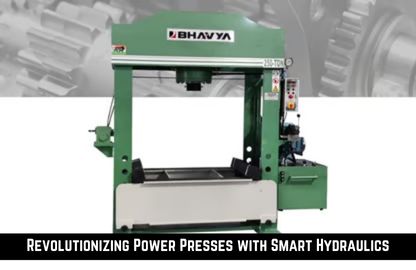
Smart hydraulics have emerged as a game-changer for the hydraulic press machines sector by improving reliability and longevity. Instead of relying on regular maintenance schedules, manufacturers can now predict when a machine will require service, thus reducing the chances of unexpected downtime. This predictive capability not only helps in preventing costly repairs but also optimizes maintenance resources and reduces the total cost of ownership.
Economic drivers for the growth of smart hydraulic systems include the increasing emphasis on operational efficiency and the ability to minimize unplanned downtime, which is a major concern for manufacturers, especially in high-volume production environments. Additionally, smart hydraulics align with broader industry trends toward Industry 4.0, where automation and data-driven insights are central to optimizing production.

The Electric Threat: Are Servo Hydraulic and All-Electric Presses Replacing Traditional Hydraulics?
The rise of servo hydraulic presses and all electric presses is challenging traditional hydraulic presses in terms of energy efficiency, precision, and overall operational cost. Servo-hydraulic presses, which combine the energy saving advantages of electric actuators with the power and force capabilities of hydraulic systems, are gaining traction for their up to 70% energy reduction compared to traditional hydraulic models.
The shift toward servo hydraulic presses is largely driven by the need for energy efficient machinery in industries where operational costs are high, such as automotive and heavy manufacturing. Unlike conventional hydraulic presses that rely on constant fluid flow and pressure, servo hydraulic presses only consume energy during the operational cycle, significantly reducing power usage during idle times. This makes them highly suited for industries with stringent energy saving goals and growing concerns about reducing carbon footprints.
Similarly, all electric presses are becoming popular due to their superior precision and low environmental impact. These presses operate without any hydraulic fluid, providing cleaner, quieter, and more precise performance. While they may still be more expensive than traditional hydraulic machines, the benefits in terms of operational costs, especially for industries like electronics and medical device manufacturing, are undeniable.
In comparison to traditional hydraulic presses, which are known for their robustness and ability to handle heavy workloads, the emergence of servo hydraulic and all electric presses presents a trade off between power and efficiency. While these newer technologies offer better energy efficiency and precision, they may not be suitable for industries that require massive pressing forces or handle large-scale components.
What Our Customers Say
“Nice company to be deal with,have best experience for sales n after sales services, good staff too.”
Jignesh Thakkar On Google
Automatic Hydraulic Presses: The Dominance of Fully Automatic Presses in Modern Manufacturing
Automatic hydraulic presses have gained significant traction in large-scale manufacturing, especially in industries that require high-volume production and high precision parts. These presses, which account for 38% market share, are highly automated, reducing the need for manual intervention and improving overall efficiency. With fully automated systems, these presses can operate continuously with minimal supervision, significantly reducing labor costs and human error.
One of the major drivers behind the dominance of automatic hydraulic presses is the increased demand for precision and efficiency in modern manufacturing. These machines are capable of delivering consistent results, making them essential in industries like automotive, consumer goods, and electronics. The automation in these presses allows for quick changeovers between production runs, high repeatability, and minimal cycle times, which directly impacts production capacity and profitability.
In addition, the increased use of automatic hydraulic presses is aligned with the broader trend toward lean manufacturing. By reducing the reliance on human operators and improving machine utilization, manufacturers can reduce waste, improve part quality, and enhance overall productivity. This trend is expected to accelerate as industries in the Middle East, particularly those focused on automotive and heavy machinery, continue to modernize their manufacturing capabilities.
Hydraulic Presses: Forging the Future in EV and Aerospace Supply Chains
The demand for hydraulic presses is undergoing a significant transformation, driven by the needs of the electric vehicle (EV) sector and the aerospace industry. Both industries are experiencing rapid growth, with hydraulic presses playing a crucial role in forming lightweight materials such as aluminum, composites, and advanced alloys. These materials are essential for manufacturing parts that meet the strict weight and performance standards required in EVs and aerospace components.
In the EV sector, hydraulic presses are used to produce lightweight body panels, battery housings, and structural components that help improve the overall energy efficiency and range of electric vehicles. Hydraulic presses are particularly suited for high volume production of these parts due to their ability to apply consistent pressure and form complex shapes. Furthermore, the shift toward composite materials in EV manufacturing, which are lightweight yet durable, requires highly specialized forming techniques that hydraulic presses can provide.
Similarly, the aerospace and defense sectors are heavily reliant on hydraulic presses for producing critical components such as wing spars, brackets, and engine parts. The high-strength materials used in aerospace manufacturing, such as titanium and carbon fiber, require precise forming and shaping capabilities that hydraulic presses can offer. These machines are essential in meeting the exacting standards of aerospace production, which demands both high precision and the ability to work with demanding materials.
As demand in both the EV and aerospace industries continues to grow, the requirement for high-performance hydraulic presses capable of handling advanced materials and complex parts is expected to rise. This presents significant opportunities for manufacturers in the Middle East to expand their capabilities and align with the global shift towards sustainability and advanced technology in key industries.

Economic Drivers and the Future of Hydraulic Press Machines in the Middle East Market
The hydraulic press machine market in the Middle East is witnessing steady growth, driven by several key economic factors. As manufacturing industries in the region, including automotive, electronics, and aerospace, continue to expand, there is a growing need for advanced press technology to meet demand for high-precision parts. The increasing adoption of automatic hydraulic presses and the shift towards smart hydraulics are central to improving productivity, efficiency, and energy savings in these sectors.
Moreover, government initiatives focused on economic diversification and industrial development, such as Bahrain’s Vision 2030, are expected to fuel demand for hydraulic presses in high-growth sectors like automotive manufacturing, aerospace, and renewable energy. The region’s push towards sustainability and technological advancement aligns with the growing need for energy-efficient presses, including servo-hydraulic and electric presses.
Conclusion
The hydraulic press machine market is evolving, with significant shifts driven by automation, energy efficiency, and the demands of emerging industries like electric vehicles and aerospace. The integration of smart hydraulics, the rise of servo-hydraulic presses, and the dominance of automatic hydraulic presses in high-volume production are reshaping the landscape.
As the Middle East continues to modernize its manufacturing capabilities, the adoption of these technologies will play a central role in enhancing productivity, reducing costs, and supporting the region’s economic diversification. With increasing investments in advanced manufacturing, hydraulic presses will remain integral to the success of industries that require precision, efficiency, and innovation in their production processes


