



Daily Operational Checks for Uptime
Daily maintenance is the first line of defense against unexpected breakdowns. These checks are typically performed by the machine operator before the start of the shift and are quick yet crucial for identifying immediate issues.

Fluid Levels and Lubrication of Bolt Threading Machines
The consistent application of lubricants and hydraulic fluid is non negotiable for the smooth, precise operation of a threading machine.
- Check Lubrication System: Visually inspect the central lubrication system (if equipped) to ensure the reservoir is full and pumps are dispensing oil to critical points like the slides, ways, and lead screw mechanism. Insufficient lubrication is the fastest way to cause premature wear on expensive components.
- Inspect Cutting Oil/Coolant: Verify the cutting oil or coolant level is adequate for the day’s operation. Ensure the fluid is clean and free from excessive metal chips (swarf). Contaminated coolant leads to poor thread finish, excessive die wear, and overheating.
- Hydraulic System: Check the level and condition of the hydraulic fluid reservoir. Low hydraulic pressure can affect the clamping force on the workpiece or the pressure applied by the rolling dies, compromising thread quality. Look for any visible leaks around hoses and fittings.
Work Area and Tooling Inspection of Bolt Threading
The condition of the immediate tooling and work environment directly impacts thread accuracy and machine safety.
- Die Head and Dies: Inspect the threading dies (either cutting or rolling) for signs of chipping, cracking, or excessive wear. For thread cutting machines, ensure the chasers are sharp and properly set. For thread rolling machines, check the dies for any embedded foreign particles that could damage the workpiece or the dies themselves.
- Chip Management: Empty the swarf collector and clean the machine bed. Allowing metal chips to accumulate on machine slides, ways, or lead screws will cause scratching, affecting precision and leading to costly repairs.
- Safety Mechanisms of Bolt Threading : Test all emergency stop buttons and safety interlocks (such as guards that prevent the machine from running when open) to ensure they are functional. Safety is always the highest priority.
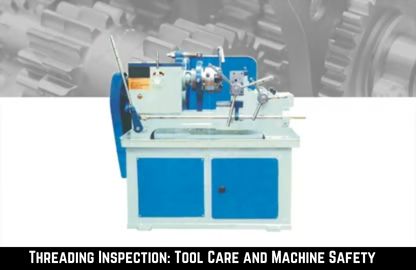
Bolt Threading Machines: Weekly Deep Clean and Alignment Verification
Weekly maintenance delves deeper than daily checks, focusing on system cleanliness and ensuring core mechanical alignments are maintained.
Thorough Cleaning and Filtration of Bolt Threading
A deeper clean removes contaminants that daily efforts might miss, extending component life.
- Coolant System Filter Cleaning: Clean or replace the filters in the coolant and hydraulic systems. Clogged filters force pumps to work harder and can introduce contaminants back into the system, damaging valves and cylinders.
- Machine Ways and Slides: Perform a detailed cleaning of the machine ways and slides, especially under the carriage. Apply fresh oil to ensure smooth movement and accuracy.
- Electrical Panel Inspection: While powered down, inspect the electrical cabinet for excessive dust or signs of rodent activity. Compressed air (applied carefully) can be used to remove dust buildup, which can cause overheating or short circuits.
Critical Alignment Checks
The accuracy of the threaded product relies on the precise alignment of the spindle and die head.
- Spindle/Die Head Alignment: Verify the alignment between the workpiece holding mechanism (vise or chuck) and the threading die head. Even minor misalignment can cause tapered threads, uneven die wear, and poor concentricity, leading to rejected parts. This often involves checking alignment using a dial indicator.
- Carriage Movement: Check the feed and carriage systems for backlash or excessive play. Adjust the lead screw or rack and pinion mechanisms as required to maintain smooth, precise movement, crucial for accurate thread pitch.
Bolt Threading Machines: Monthly and Quarterly Major System Maintenance
Monthly and quarterly maintenance focuses on deep systems, fluid replacement, and preventative replacement of wear items.
Fluid Replacement and Analysis of Bolt Threading
Contaminated or degraded fluids lose their protective properties, necessitating scheduled replacement.
- Hydraulic Fluid Replacement of Bolt Threading: Replace the hydraulic fluid according to the manufacturer’s specified intervals (typically quarterly to annually depending on usage). This prevents wear caused by degraded viscosity and microscopic contamination.
- Coolant/Cutting Oil Replacement: Replace the cutting fluid entirely and thoroughly clean the coolant tank. Cutting fluids break down over time, harbor bacteria, and become ineffective at cooling and lubricating.
- Bearing and Gearbox Checks of Bold Threading: Listen for unusual noises coming from the main spindle bearings or the gearbox. Schedule replacement of oil in enclosed gearboxes as specified. Early detection of bearing noise can prevent catastrophic spindle failure.
Preventative Mechanical Overhauls
Focus on wear parts that are scheduled for replacement before they actually fail.
- Die Head Overhaul: Disassemble the threading die head, clean all parts, and check the springs, levers, and locking mechanisms for wear or fatigue. Replace any worn components to ensure consistent die clamping and smooth opening/closing cycles.
- Check Vise/Chuck Jaws: Inspect the jaws that hold the workpiece. Replace or recondition worn jaws to ensure the bolt blanks are held securely and concentrically. A loose workpiece can damage the threading dies and ruin the part.
- Belt and Chain Tension: Inspect all drive belts and chains for tension, cracks, or excessive slack. Adjust tension or replace worn components to ensure consistent power transmission from the motor to the spindle, vital for maintaining cutting or rolling speed under load.
What Our Customers Say
“Largest Display of Machinery across India. Wide range of Machines. Very Co-operative staff. Range of Tapping Machine and Re-sharpening Machines are outstanding. Very Cost effective and useful in Precision Machining Work. Their staff is co – operative for after sales support.”
Tirth Bhojani On Google
Bolt Threading Machines: Annual Full Inspection and Certification
The annual maintenance is a comprehensive deep-dive, often requiring specialized external technicians, to recalibrate the machine and ensure it remains factory-accurate.
Full Geometrical Calibration of Bold Threading
This ensures the machine’s physical geometry has not drifted due to stress or vibration.
- Full Alignment and Leveling: The machine must be checked for levelness and geometric accuracy across all axes. An unlevel machine can lead to inconsistent fluid drainage, uneven component wear, and inaccurate thread formation.
- Lead Screw and Nut Inspection: Perform a detailed inspection of the lead screw and lead nut assembly, especially on thread cutting machines, as these directly control the thread pitch. Measure backlash and replace the lead nut if wear exceeds tolerance.
- Bold Threading Electrical System Certification: Have a certified electrician inspect and test all motors, wiring harnesses, sensors, and controllers. Check for voltage fluctuations, loose connections, or component degradation.
Bold Threading Documentation and Training
Maintaining detailed records is as crucial as the physical maintenance itself.
- Log Maintenance: Maintain a detailed log of all maintenance performed, parts replaced, and fluid analysis results. This documentation helps predict future failures and justifies the costs of preventative maintenance.
- Operator Training Refresher: Conduct annual refresher training for operators on proper setup, operation, and daily maintenance procedures. Correct operator usage prevents the majority of premature machine wear.
A rigorous, scheduled maintenance program for a bolt threading machine transforms it from a tool subject to failure into a reliable, long term asset. By focusing on lubrication, cleanliness, fluid quality, and alignment, companies ensure their threading equipment consistently delivers the high quality, safety critical fasteners demanded by modern industry, guaranteeing the machine’s long life performance.

Conclusion:
The bolt threading machine is unequivocally an indispensable foundation of modern industrial life. Its impact is not merely confined to fabricating parts; it is centered on ensuring safety, predictability, and durability across the most demanding sectors. By imparting superior fatigue resistance through thread rolling for automotive applications, enabling reliable structural connections for vast infrastructure projects, and supporting the MRO needs of heavy machinery, threading equipment provides the essential metallurgical and dimensional integrity required for modern engineering. Its role in upholding global standards (ISO/ASME) guarantees that components are interchangeable worldwide, streamlining global supply chains and reducing risk. The bolt threading machine is the unseen technological asset that makes every secure structure and reliable machine possible.


