



Transforming Waste into Wealth: The Efficiency of Laser Technology
The objective of this article is to explore how modern laser-based manufacturing solutions are revolutionizing material efficiency, allowing businesses to reclaim value from sheet metal remnants and maximize profitability through high-precision technology.
The landscape of modern manufacturing is shifting away from the traditional “take-make-waste” model toward a more circular and profitable approach. For decades, sheet metal fabrication was plagued by significant material loss, with offcuts and scraps often viewed as an unavoidable cost of doing business. However, the introduction of advanced laser cutting machine technology has fundamentally changed this narrative. What was once considered a pile of useless scrap is now being viewed as a reservoir of untapped potential. By leveraging precision, speed and intelligent nesting software, manufacturers are finding that they can extract high-quality parts from even the smallest remnants, turning overhead into pure profit.
 Drop Us an Email!
Fiber laser cutting and the evolution of precision
The transition from traditional mechanical shearing or plasma cutting to fiber laser cutting represents one of the most significant leaps in fabrication history. The core advantage lies in the focused intensity of the beam. Unlike mechanical tools that require a certain amount of “border space” to prevent material warping or tool breakage, a laser operates with such localized heat and microscopic precision that parts can be nested incredibly close together. This capability is the primary driver behind scrap reduction.
When a facility utilizes a high-powered laser machine, the width of the cut – known as the kerf – is significantly narrower than that of a traditional blade or punch. This allows for intricate geometries to be cut from areas of a sheet that would have previously been discarded. Furthermore, the speed and consistency of these systems mean that thin gauge materials can be processed without the risk of physical distortion, ensuring that every square inch of a metal sheet is utilized to its maximum potential.
Read Our Article
Fiber Laser Cutting Machine Industrial ApplicationsLaser cutting machine as a catalyst for sustainable profit
Investing in a modern laser cutting machine is no longer just about increasing output; it is about resource optimization. In an era where raw material costs fluctuate wildly, the ability to do more with less is a competitive necessity. These machines are designed to integrate seamlessly with CAD/CAM software that features “auto-nesting” capabilities. This software analyzes the shapes needed for a production run and arranges them on the sheet like a complex puzzle, filling in the gaps that traditional methods would leave behind.
Beyond just the main production runs, these machines allow shops to create “filler parts” – small brackets, washers or decorative elements – that can be cut from the spaces between larger components. This strategy ensures that when a sheet is removed from the cutting bed, the remaining skeleton is as light as possible, meaning the vast majority of the expensive raw material has been converted into sellable product.
Fiber Laser Marking Machines for parts traceability and branding
Once the parts are cut, the utility of laser technology continues through the finishing stages. Utilizing Fiber Laser Marking Machines allows manufacturers to add high-contrast, permanent identification to their products without the need for inks, chemicals or physical engraving that could compromise the material’s integrity. These systems are essential for internal inventory management, especially when tracking parts cut from reclaimed scrap.
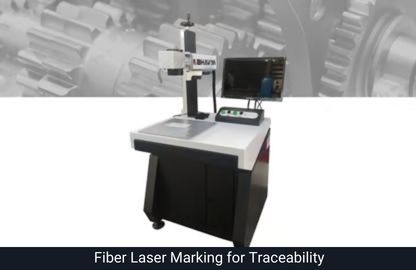
By marking each piece with a serial number or QR code, a company can maintain a rigorous quality control standard. This is particularly important when dealing with various grades of metal remnants. It ensures that even a small part cut from an old scrap sheet is fully traceable back to its material origin, maintaining the professional standards required in industries like aerospace, automotive and medical device manufacturing.
Our Other Machine
Laser Welding MachineLaser machines and their versatility in the workshop
The broader category of laser machines encompasses a variety of tools that work in tandem to create a high-efficiency environment. While the primary focus is often on the heavy-duty cutting of thick plates, smaller systems play a vital role in the secondary processing of components. The versatility of these systems means they can handle a wide range of materials, from stainless steel and aluminum to copper and brass.
The adaptability of a laser machine allows a business to pivot quickly between different project requirements. Since there are no physical dies or molds to change out, the setup time is virtually non-existent. This flexibility is what enables the “scrap-to-profit” workflow; if a technician notices a large enough remnant on the shop floor, they can immediately load a program and begin cutting a small batch of secondary parts without disrupting the larger production schedule.
Fiber Laser Marking Machine integration in the production line
In a streamlined production environment, a Fiber Laser Marking Machine acts as the final touch of professionalism. As scrap pieces are converted into finished goods, these marking units provide the branding and technical specifications required by the end-user. Because these machines use a non-contact process, there is no risk of the parts being bent or stressed during the marking phase.
This technology is also incredibly energy-efficient compared to older CO2 marking systems. The low maintenance requirements and high uptime of fiber-based systems mean that the cost per mark is negligible, further protecting the profit margins gained from the initial material savings. It is the combination of efficient cutting and low-cost finishing that solidifies the financial viability of a modern fabrication shop.
Laser cutting as a standard for quality and consistency
The term laser cutting has become synonymous with high-end manufacturing. Customers today expect a level of edge quality that requires little to no post-processing. Traditional methods often leave burrs or rough edges that require manual grinding – a labor-intensive process that eats into profits. In contrast, the clean finish provided by a laser ensures that parts are ready for assembly or shipping immediately after they are removed from the machine.
This consistency is vital when reclaiming scrap. Because the laser maintains the same precision regardless of the size of the workpiece, a small part cut from a remnant will have the exact same tolerances as a part cut from a fresh, full-sized sheet. This reliability builds trust with clients and allows manufacturers to confidently market products made from recycled or reclaimed materials as being of premium quality.
Read Our Article
FAQs on Fiber Laser Cutting MachineLaser Marking Machine for diverse industrial applications
The utility of a Laser Marking Machine extends beyond just metal. In a diverse manufacturing setting, these machines are used to mark plastic components, coated materials and even ceramics. This versatility is key for businesses that want to diversify their product offerings without investing in multiple different types of finishing equipment.
The ability to switch between materials and designs via software means that a company can take on small-batch, custom jobs that were previously too expensive to produce. This “on-demand” capability is perfectly suited for using up leftover materials from larger industrial contracts, ensuring that the machine is always running and always generating revenue.
Fiber Laser Marking Machines and the future of branding
As we look toward the future, Fiber Laser Marking Machines are becoming more integrated with artificial intelligence and automated vision systems. These advancements allow the machine to “see” the scrap piece on the bed, determine its orientation and adjust the marking file accordingly. This removes the need for complex jigging and manual alignment, further reducing the labor costs associated with part finishing.
The high-definition results provided by these machines also allow for aesthetic branding that can increase the perceived value of a product. A simple metal bracket, when marked with a sleek, professional logo, becomes a branded component that commands a higher price point than a generic piece of hardware.
Our Other Machine
Exchange Work Table Fiber Laser Cutting MachineConclusion: A new era of manufacturing efficiency
The integration of a high-quality laser cutting machine into a production workflow is more than a technical upgrade; it is a strategic business decision that addresses the core challenges of modern manufacturing. By minimizing waste through superior nesting and precision and by adding value through advanced marking and finishing, businesses can effectively turn their scrap bins into a source of revenue.
The synergy between cutting and marking technologies – ranging from the heavy-duty Fiber Laser Cutting Machine to the precise Fiber Laser Marking Machine – creates an ecosystem where material is respected and profit is maximized. As technology continues to evolve, the gap between “waste” and “wealth” will only continue to shrink, rewarding those who embrace the precision of the laser.


