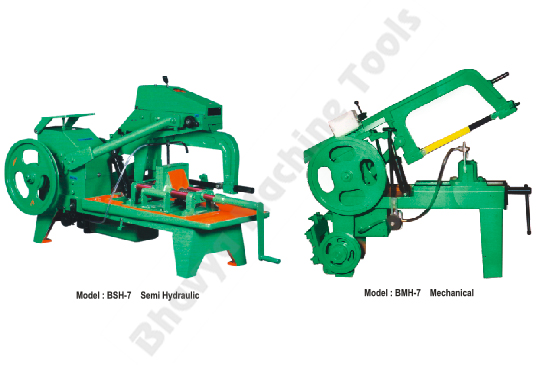
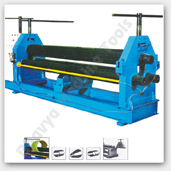
Sheet metal machines are used for shaping, cutting, pressing, forming etc. metal sheets into various shapes and sizes. Different types of sheet metal units are available in the market. There are different for different jobs to be carried out.
Before buying the sheet metal it is good to survey the market for the right product. Check on the internet for different products available online, the cost and the feedback of people using the products of different companies, brands and the type of equipment. Check for good deals being offered. Be very sure about your specific requirements.
Points to consider while buying a Sheet Metal Machine:
If you want to buy a new tools then buy from a reputed and genuine manufacturing company.
Take advice from people who are using sheet metals as they will have more experience and the knowledge regarding the equipments.
Consider Customer Support and Maintenance Services
When purchasing sheet metal machines, consider the level of customer support offered by the manufacturer or dealer. A good manufacturer will provide comprehensive customer service, including installation support, troubleshooting, and maintenance. Check if the manufacturer offers after-sales services like machine servicing, availability of spare parts, and response times for repairs.
It’s important to understand that regular maintenance is critical for keeping your sheet metal machine in optimal condition. Ask the manufacturer or seller about routine maintenance schedules and the availability of service technicians in your area. A machine that’s easy to maintain will save you a lot of money in the long run and ensure a longer operational lifespan.
Check for Machine Features: Safety and Integration
Safety should always be a priority when selecting a sheet metal machine. Look for machines that meet international safety standards and include built-in safety features like emergency stop buttons, automatic shut-off functions, and protective shields around moving parts. A machine with certifications like CE or ISO ensures that the product has been tested for safety and compliance with industry standards.
Furthermore, check whether the sheet metal machine can easily integrate with your existing equipment or systems. This is particularly important if you have a production line or a factory setup that already includes other machinery. An easily integrable machine can save you time, effort, and money when making future upgrades or modifications.
Identify the type of device you want and set the budget limit. Your budget limit is the final amount you are ready to spend to buy.
Online shopping is a good idea as you can compare more variety of sheet metals. You can compare the specifications of different models and select the one that suits your requirements the most. All the information about the equipments is available on the net.
People offer discounts on the tools being resold. You can get them at very cheap rates. Some online stores also sell used sheet metals. Make sure the machines available are in good working condition and these are being sold at a rational price.
Compare the cost of different models available, the availability of the model you wish to buy and the time taken to deliver.
Don’t get tempted by companies selling tools at low cost. These may not be in good working condition and you may end shelling out more money to get it repaired.
Most important point to consider is the warranty period the manufacturer is offering and also the after sales service available. Inquire about the kind of service the dealer provides and find out other customers’ views.
It must be durable, long lasting and strong.
Energy Efficiency and Environmental Impact
Another important aspect to keep in mind when buying a sheet metal machine is its energy efficiency. Machines that are designed to use less power not only reduce operational costs but also have a lower environmental impact. Check the energy ratings of the machines, as high-efficiency motors and components consume less energy, leading to lower energy bills over time. Machines with lower carbon footprints align with sustainable practices and can be a selling point for eco-conscious businesses.
If the device is compact and energy efficient it will consume less energy so the operational cost will be less.
It should be versatile and easy to use. You can then perform a number of operations on one machine.
The design should be such that the motor does not hinder the work. Also check the noise level and the amount of vibrations produced.
Examine the Technology and Automation Level
In today’s fast-paced industrial world, automation is an important factor in choosing sheet metal machines. Machines equipped with advanced technology, such as digital controls, automated feed systems, or robotic arms, can significantly improve operational efficiency. Consider whether you need fully automated systems or semi-automated machines depending on your production needs. A higher degree of automation can reduce the need for manual labor, increase throughput, and reduce human error in the production process.
You should also look at the user interface and the level of technology embedded in the machine. Is it equipped with touchscreen controls? Does it offer real-time diagnostics and data collection? Modern machines may offer these advanced features, allowing operators to monitor performance and adjust settings with ease. Such technology can drastically improve the workflow and make the machine easier to operate.
Space and Placement Considerations
When buying sheet metal machines, space is often overlooked but plays a crucial role in the long-term viability of the machine. Make sure the machine you choose will fit in your existing workspace without overcrowding. Consider the floor space required for the machine and any accessories such as workstations, conveyors, or material storage. Also, check the machine’s mobility-whether it is easy to move if necessary, and if it includes any wheel kits or can be easily relocated without major adjustments.
The manufacturer must provide you with an instruction manual that is easy to follow and that explains how to install, and use it.
Read more in detail for Sheet Metal Machines.
Conclusion
It is always better to buy equipment of a superior quality, even if it is a little costly, but it is more dependable, useful and will last longer. Spend time to collect as much information as possible about the machine before you buy a sheet metal. Select your tools with care to make sure they offer maximum usability.
Understanding Return on Investment (ROI) and Future-Proofing
Purchasing a sheet metal machine is a long-term investment, and evaluating the return on investment (ROI) is crucial. Assess how the machine will impact productivity, operational efficiency, and cost savings. If the machine is capable of handling high-volume operations or improving accuracy, the ROI can be significant over time.
It’s also important to think about future-proofing. Technology is constantly evolving, so consider machines that offer upgradeability or modular components. Machines with features that allow for easy upgrades can save you money in the future, especially if you need to keep up with growing business demands.




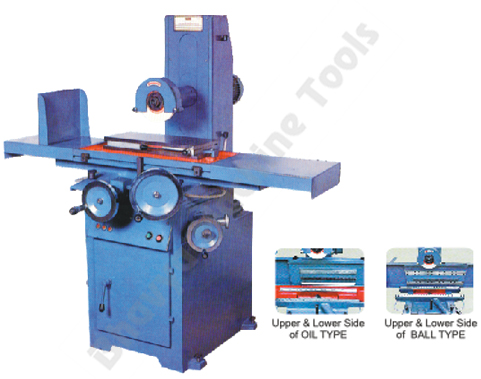
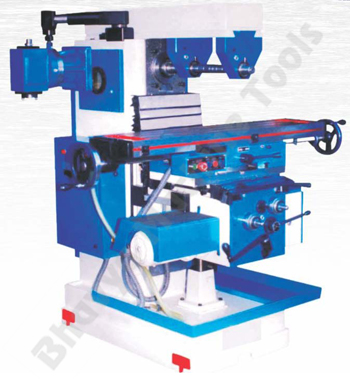
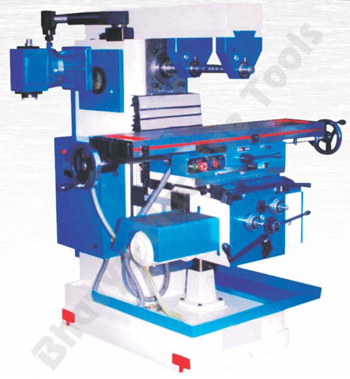
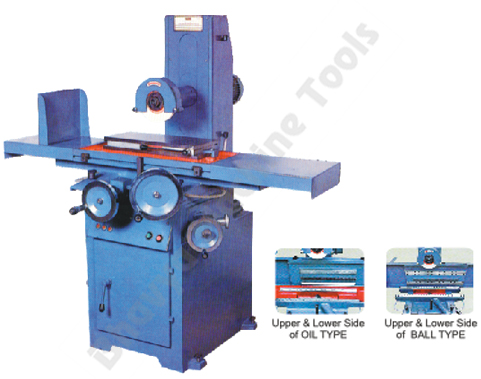
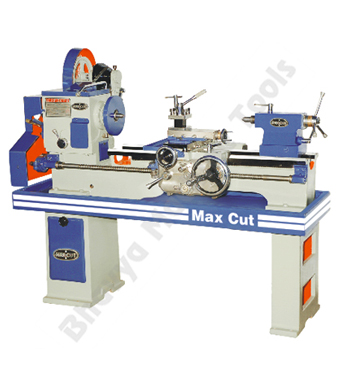
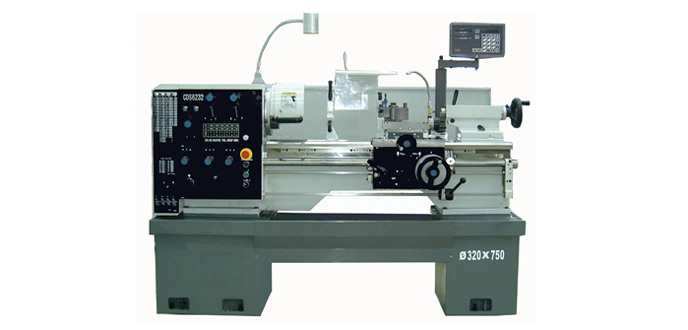
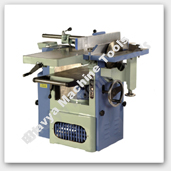
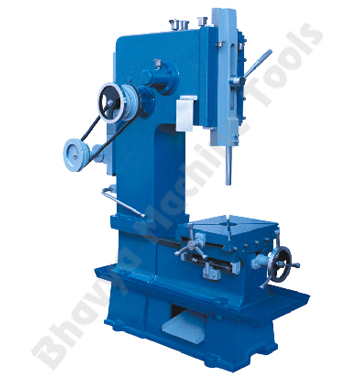 Research and development has shown a great deal of demand for tool room machinery with their availability and functionality. New and better products are being developed with the most innovative designs for the local and international markets. A vast range of tools are being produced to satisfy the rising needs of various manufacturing industries in India, China and abroad. These unit are built to perform particular tasks and different brands with precise characteristic are easily available at reasonable prices. Even though producers supply unique products, there are specific features that stand out even in the same type of machine. Choosing the right tool room unit is key ones to management of overall costs.
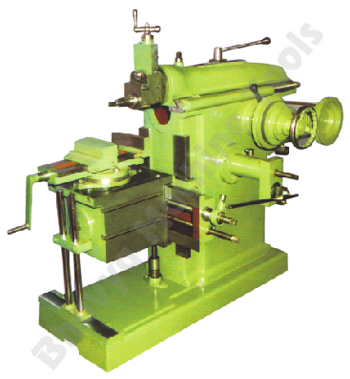
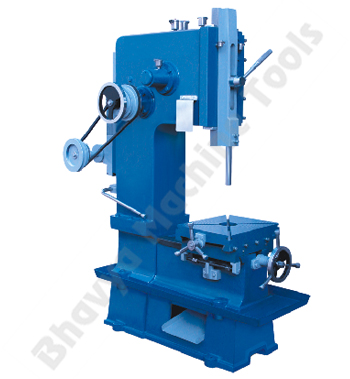
 heavy-duty industries. The main purpose is to design, contour and cut very hard materials that can be made of metal or wood. Industries apply the heavy duty, durable machines intended for fast and high speed metal creations. These are also engaged in slot making including constructing slots on heads of blank screws, bolts, automobile apparatus and other similar parts. A good slotting machine should be made to ease the slotting complications in an error free and less noisy manner.

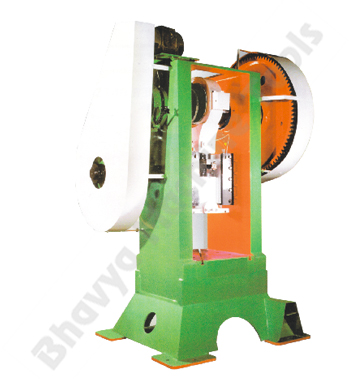
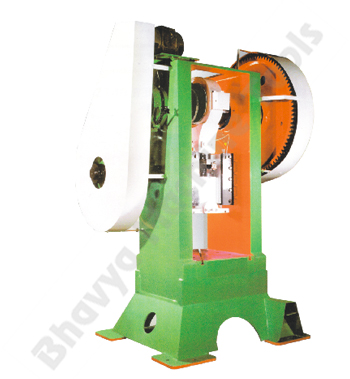
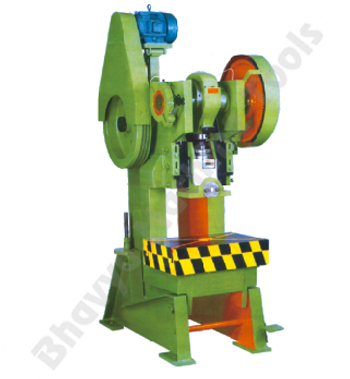
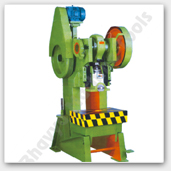
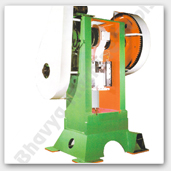
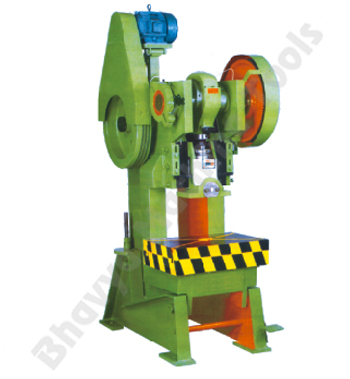 The power press is an important machine tool which is used to change the shape of a workpiece. In the ancient times metal was shaped manually using a hand hammer. Later on big hammers were used to press large quantities of metal at a time, or to press thick metal pieces. A helper was specially required to swing the sledge hammer while the smith positioned the workpiece. Thereafter steam power and wind mills were utilized to operate the large steam hammers. Later on due to electrification, most of the power presses now use electrical power or hydraulic power to obtain the required pressure. At the same time various types of dies were also discovered for use within it. Moreover, advanced methods and highly accurate equipments were also invented. Today these are mainly categorized based on their mechanism such as mechanical and hydraulic.
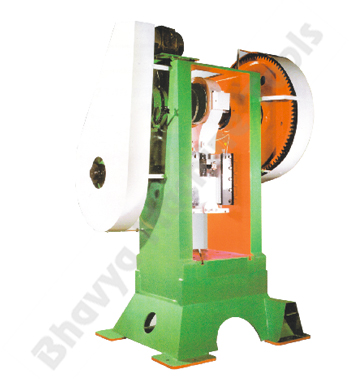 These days, these are driven by a mechanical force or a hydraulic system. The power system or the source of these power presses may be an electric motor or an engine. The mechanical power press may utilize several types of drive mechanisms such as the crankshaft, eccentric, knuckle joint, etc. These drives help to transform the rotational movement of the motor into a linear movement of the ram. A fly wheel is also used to energize the machine. These presses have drives that are capable to provide a large force at the end of the strokes; hence they are useful for various punching and stamping operations. Further, it utilize a large piston and cylinder for driving the ram. This system has the ability to provide longer ram strokes as compared to the mechanical machine. Although it works relatively slower, they can continuously apply the required load. These presses may have various types of movements, depending on the number of slides operated independently.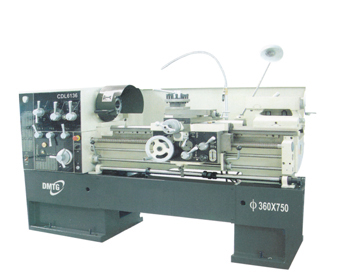

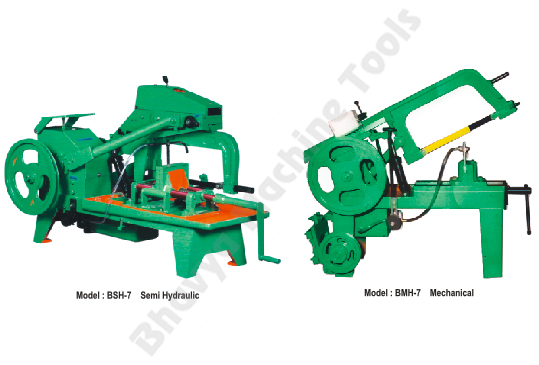
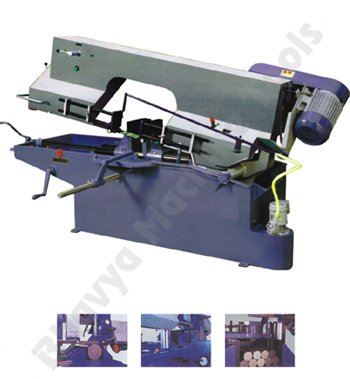
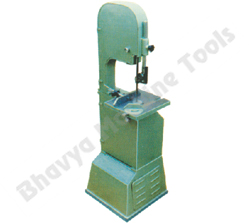
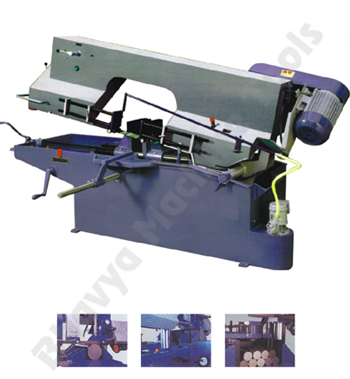
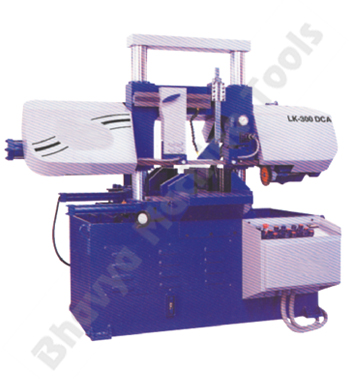
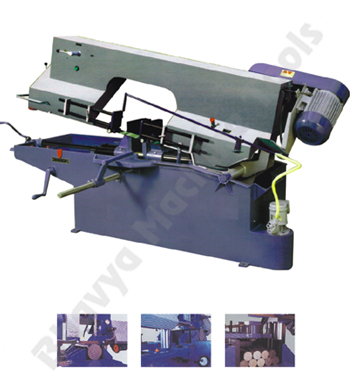 The bandsaw is one of the most important equipment in any workshop. It is also regarded as an ideal tool for accurately cutting different types of materials that includes wood, metal, plastic, etc. In fact, besides cutting curves a bandsaw can also be utilized for performing many other functions such as shaping various metal objects; splitting a big workpiece into smaller pieces; and re-sawing large pieces of wood to form thin strips. Currently a wide range are manufactured globally and readily available in the market. Hence the following description will guide the buyers to choose the right machine for woodworking and metal shaping.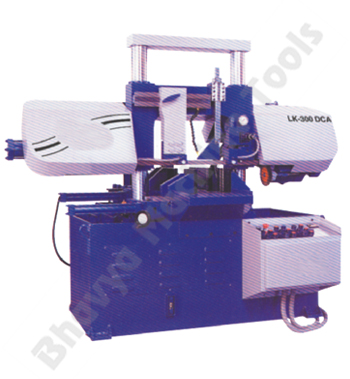

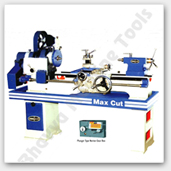
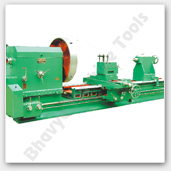
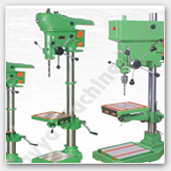
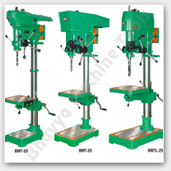
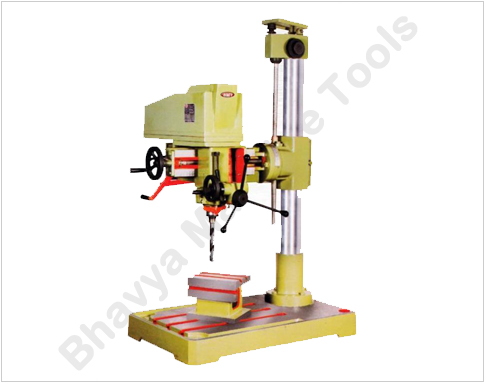


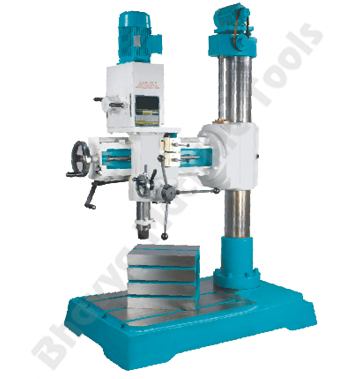
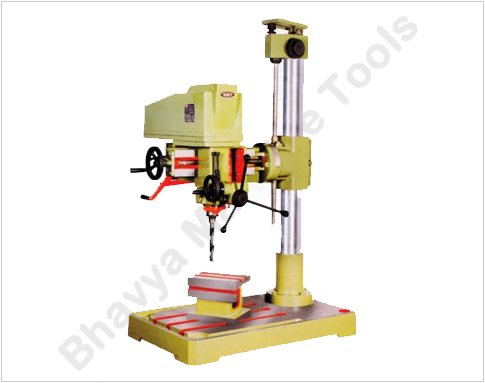 A drilling machine is primarily utilized for drilling holes of various depths and sizes on different surfaces. Moreover this versatile machine is also used for performing some other operations such as counter boring, countersinking, lapping, reaming, screwing, spot facing, and tapping; on different types of materials. These days a broad variety of drilling devices are now readily available in the market including it. Besides this radial drill are also manufactured in different specifications and have several features that help to deliver very precise results on many types of materials including metal, wood, etc. They are widely used for heavy duty drilling applications to manufacture various kinds of products. Further, it is also regarded as an ideal tool for carrying out bulk drilling operations in numerous industrial segments such as construction, masonry, metalworking, woodworking, etc.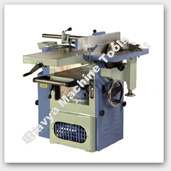
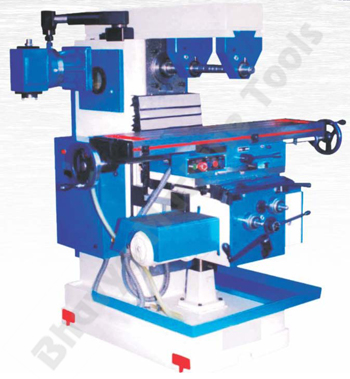
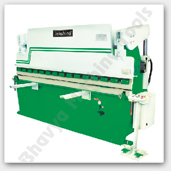
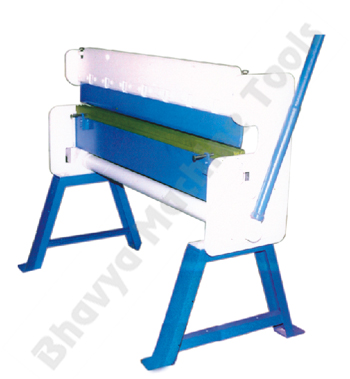
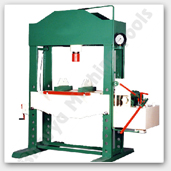
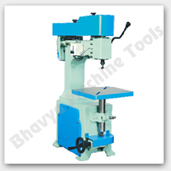
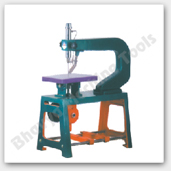
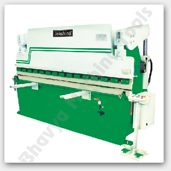

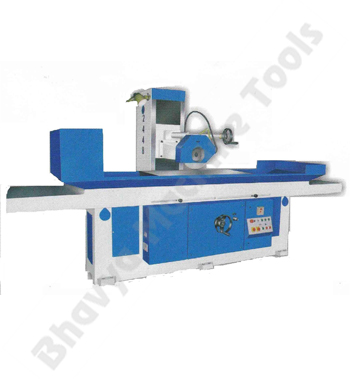

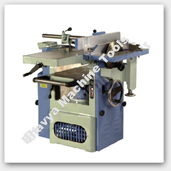
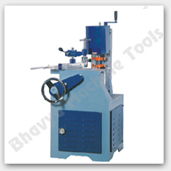
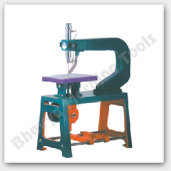
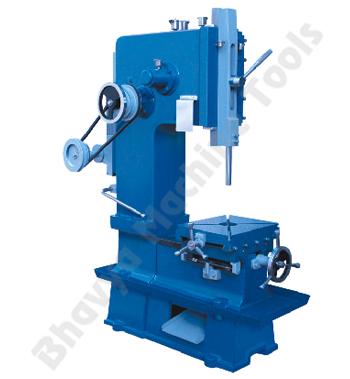
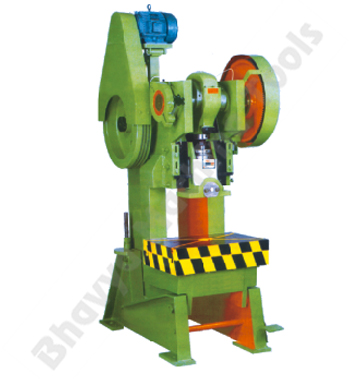
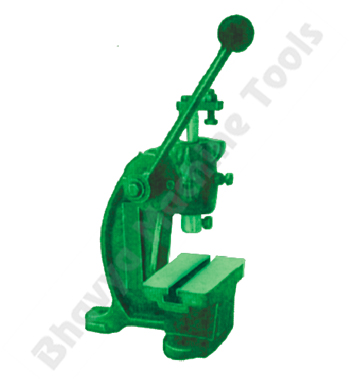
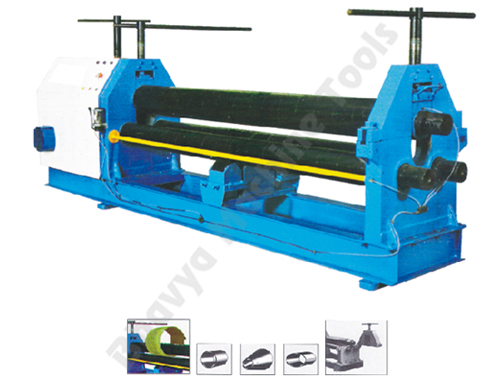
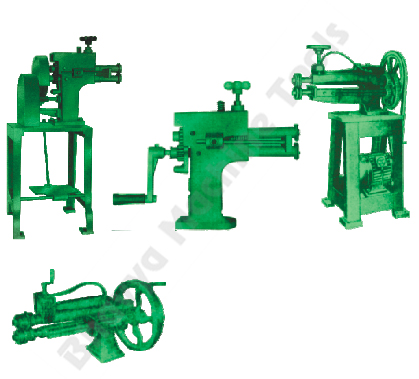
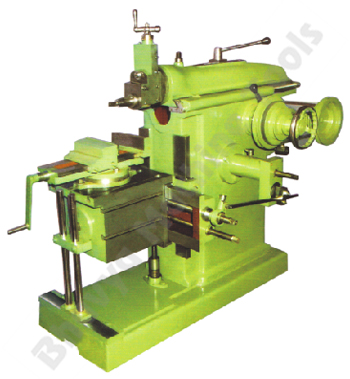
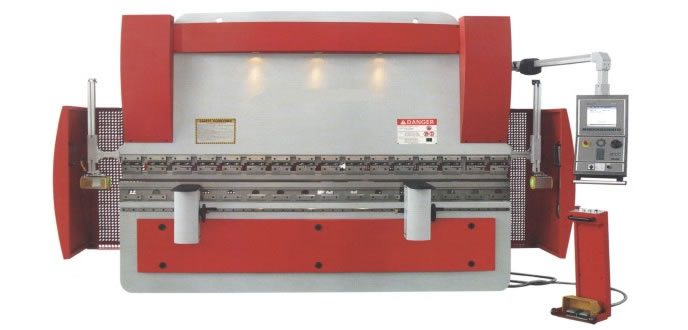
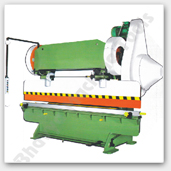
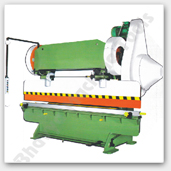
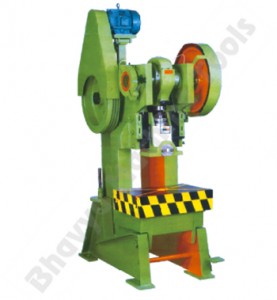 The power press is basically a versatile sheet metal machine that is utilized to cut, bend, form, and press sheet metal into a variety of shapes and sizes. This multi tasking equipment involves a press mechanism, where pressure is applied to compress and shape the required material. Due to the development of technology a wide range are now readily available in the market.
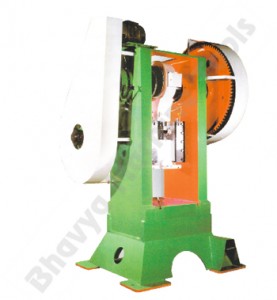 machine, and H type power press machine. A hydraulic press uses a hydraulic cylinder for generating compressive force, which is the hydraulic equivalent of a mechanical lever. It is mainly used for hydro forming. The industrial hydraulicis a sturdy, energy efficient and durable machine that is used for hydraulic applications in numerous industries.
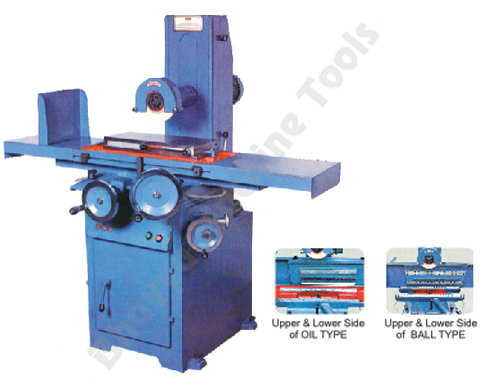

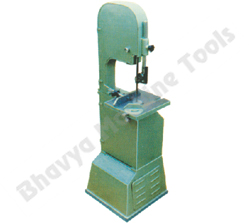
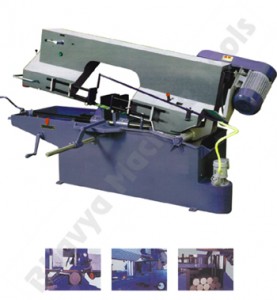 Some have smaller depth of cut. Hence an optional riser is required to extend the depth. And the throat refers to the distance from the blade to the vertical frame of the bandsaw. This distance is related to the width of the cut that can be executed by the machine. For example a 12 inch band saw is basically the throat size of that model. So select the appropriate model, based on the material to be cut.